I’ve watched too many people buy the wrong dirt bike. Then stall on the first hill. Or drop it in the first turn.
Or realize halfway through their first ride that the thing is way too heavy, too loud, too much.
You don’t need another glossy brochure full of specs you can’t pronounce. You need straight talk. From someone who’s been there.
Not just once, but hundreds of times.
This isn’t theory. It’s what worked when I was learning. What kept me riding after three broken ribs.
What I tell my friends before they pull the trigger on a $6,000 mistake.
Fmboffroad Dirt Bike Guide From Formotorbikes is that talk. No hype. No fluff.
Just real choices, real gear lists, real maintenance steps (all) written so you actually understand them.
Why does that matter?
Because your first dirt bike shouldn’t feel like a test you’re doomed to fail.
You’ll know which bike fits your height, weight, and skill level. Not some random YouTube reviewer’s opinion. You’ll learn what gear you actually need (and what you can skip).
And you’ll get a simple checklist to keep your bike running. Not a 47-step manual nobody reads.
You’ll walk away ready to ride. Not just hopeful. Not just excited.
Ready.
Dirt Bikes Aren’t All the Same
I’ve watched too many beginners buy the wrong bike and quit before they even learn to shift. You don’t need a motocross rocket ship to ride forest trails. And you definitely don’t want a heavy dual sport if you’re twelve.
Start with the Fmboffroad Dirt Bike Guide From Formotorbikes.
It cuts through the noise.
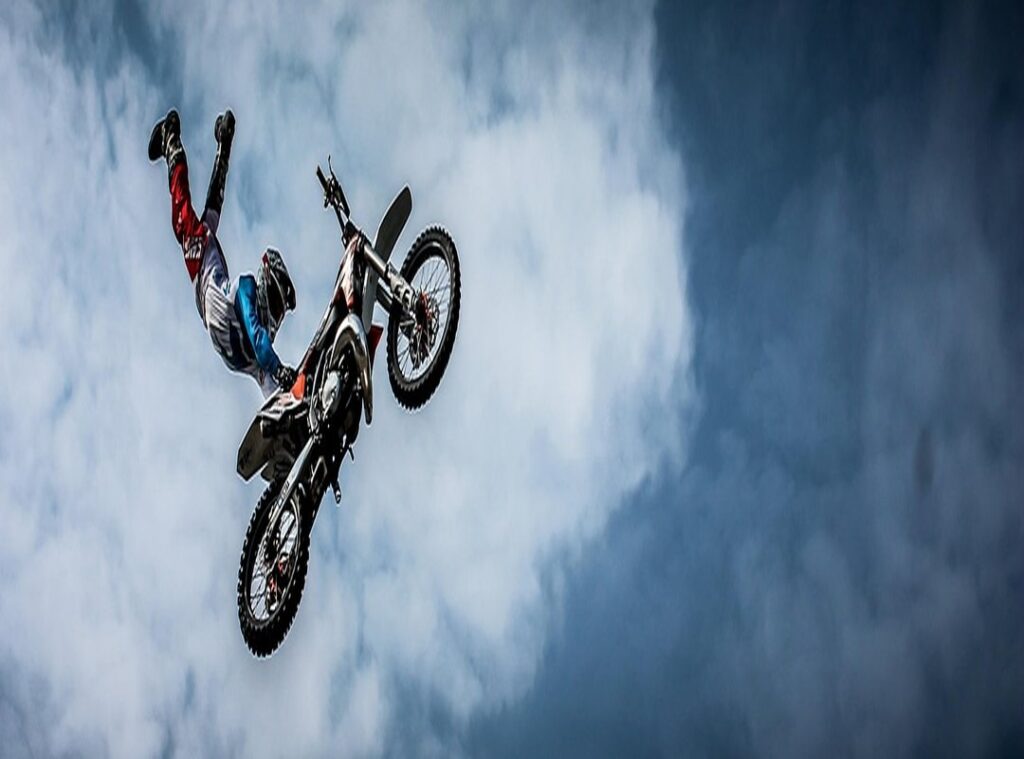
Motocross bikes? Pure race machines. They jump.
They corner hard. Their suspension is stiff, their powerband narrow and explosive. They’re not for trails.
Not for hills. Not for fun unless you’re racing.
Trail bikes (Enduro or off-road) are what most people actually want. Softer suspension. Wider powerband.
Lighter clutch feel. You can ride them all day without your arms falling off.
Dual sports have lights, mirrors, and license plates. They’ll get you to the trailhead and down it. But they’re heavier and less capable off-road than dedicated trail bikes.
Youth bikes? 50cc for kids who barely touch the ground. 80cc for tweens learning control. 125cc for teens ready for real throttle response. Seat height matters more than horsepower here.
Still wondering which category fits your riding (or) your kid’s? That guide answers it. No fluff.
Just real talk.
Start Small or Eat Dirt
I bought my first dirt bike thinking big power meant fast fun.
It meant faceplants and a sore back.
You’re not ready for a 450. Start with a 125cc or 250cc four-stroke. They’re light, predictable, and won’t toss you like a ragdoll.
(Yes, I learned that the hard way.)
What are you actually riding? Tracks need suspension and brakes built for speed. Trails want agility and ground clearance.
Your backyard? A lightweight 50cc or 85cc might be perfect.
Gear costs more than you think. Helmet, boots, gloves, chest protector. That’s $800 before the bike.
Then add oil changes, chain adjustments, tire replacements. A used bike saves cash but can hide worn forks or bent rims.
Can you flat-foot it? If your toes barely scrape the ground, you’ll stall and drop it every time you stop. Check seat height and total weight (not) just engine size.
New bikes come with warranty peace of mind.
Used bikes demand a mechanic’s eye. Or a friend who knows what cracked cases look like.
The Fmboffroad Dirt Bike Guide From Formotorbikes walks through all this without fluff.
It’s the only guide I wish I’d read before my first crash.
Gear That Actually Saves Your Ass
I bought cheap goggles once. They fogged up on the first hill. I wiped them with my sleeve and rode blind for ten seconds.
Not smart.
A helmet is not optional. Snell or DOT approval means it passed real crash tests. If it doesn’t fit snug (no) gaps, no wobble (it) won’t protect you.
Ventilation matters too. Sweat blinds you faster than dust.
Goggles seal out grit and sun glare. Regular sunglasses? Useless.
They fly off or scratch in five minutes.
Dirt bike boots wrap your ankles. Street shoes don’t. I twisted mine on a root wearing sneakers.
Still feel that pop sometimes.
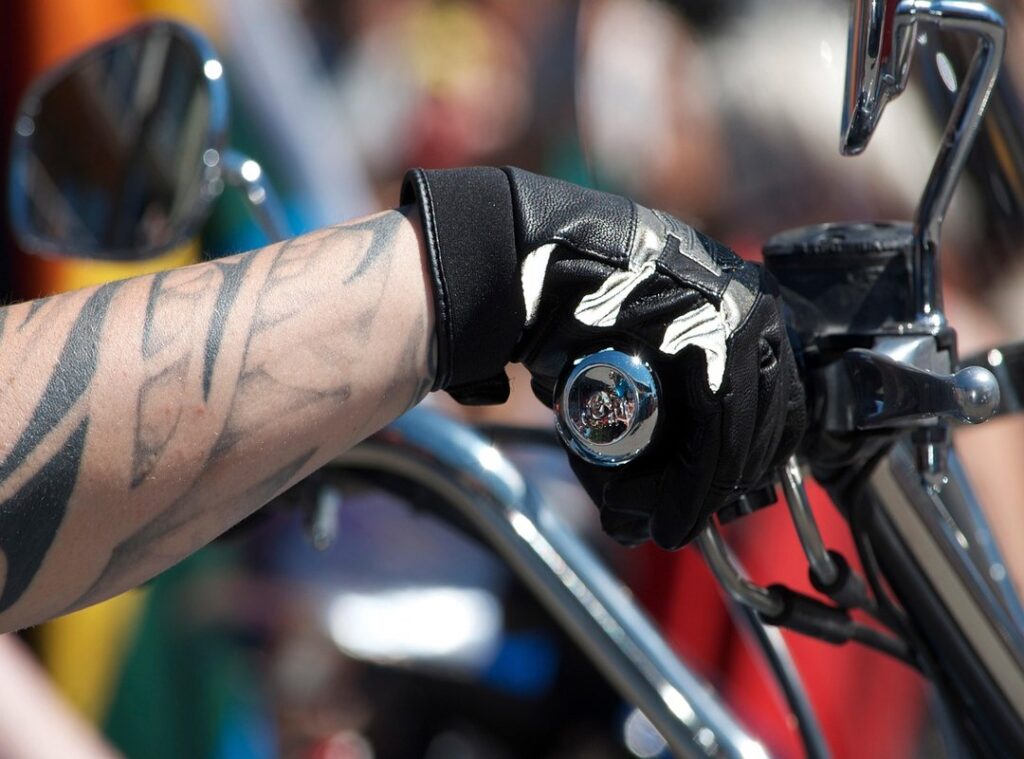
Gloves stop blisters and keep your hands from slamming into rocks. Leather or synthetic (just) make sure they cover your knuckles.
Chest protectors stop roost and handlebar hits. Knee braces? Worth it if you ride hard.
I skipped them. Rode through a rock garden. Woke up sore for a week.
Jerseys and pants are tough but breathable. Cotton shirts tear. Jeans shred.
You’ll know the difference after one fall.
This guide helped me avoid dumb mistakes early. You can learn more in the Fmboffroad Dirt Bike Guide From Formotorbikes.
Keep Your Dirt Bike Alive
I check my chain before every ride. Wipe it down, lube it, and make sure tension is right (loose) chains skip, tight ones snap. (And yes, I’ve snapped one mid-turn.)
Air filters get filthy fast. I rinse mine in kerosene or filter cleaner, let it dry, then oil it lightly. A clogged filter starves the engine.
You’ll feel it bog down.
Tire pressure changes everything. Sand? Drop to 10 psi.
Hardpack? Bump it to 14. I use a cheap floor pump with a gauge.
No guessing.
Oil changes happen every 5 hours of riding. I drain it hot, replace the filter, and refill with the right weight. Skipping this kills engines faster than you think.
Bolts vibrate loose. I run a wrench over footpegs, triple clamps, and axle nuts before and after every ride. It takes two minutes.
Don’t wait for something to fall off.
Brake pads wear thin. I eyeball them (if) they’re under 2mm, I swap them. Fluid level stays at the max line.
If it’s low, I check for leaks first.
I hose off mud right after a ride. But never blast bearings or the airbox. Then I wipe everything dry.
Rust starts overnight.
This isn’t theory. It’s what I do. The Fmboffroad Dirt Bike Guide From Formotorbikes covers all this in plain language.
No fluff, no jargon.
You know that weird noise your bike made last weekend? Yeah. That was probably the chain.
Ride Smart From Day One
I started on a gravel lot behind my cousin’s barn. You need space. Real space.
Not a parking lot with cars.
Find open land. Private if possible. Or a designated riding area.
No sidewalks. No traffic. Just dirt and air.
Clutch. Throttle. Brakes.
Shifting. Learn them before you move. Seriously (sit) on the bike and work each one.
Feel how they respond.
Sit tall. Knees in. Feet planted.
Don’t hunch. Balance starts in your hips, not your hands.
Go slow. Wobble. Stop.
Turn. Do it again. Speed comes later.
And only after control feels automatic.
Ride with someone. Always. Especially early on.
Take a class. Yes, it costs money. But it saves time, pain, and stupid mistakes.
If you tip over, you’ll want help. Not just a phone.
The Fmboffroad Dirt Bike Guide From Formotorbikes helped me skip half the dumb errors. Check out their Fmboffroad section for real talk, not fluff.
Time to Ride
I’ve been there. Staring at a bike, nervous about the first turn. You want to ride (not) overthink it.
That’s why Fmboffroad Dirt Bike Guide From Formotorbikes exists. It cuts the noise. Gives you what works.
No fluff. No guesswork. You already know safety matters.
You already know fit matters. Now you know how to act on it. So stop reading.
Grab your helmet. Find a trail near you. Ride today.
Not next month. Not when you “feel ready.”
You’re ready now.
 Fenrithia Hearthmoor is a contributor at FMB Moto Gear who specializes in motorcycle gear reviews, rider protection, and touring essentials. With a strong appreciation for functional and dependable riding equipment, she creates informative articles designed to help readers choose gear that improves both comfort and safety on the road.