I’ve seen too many riders walk into a shop and grab the first helmet that fits their budget.
Your helmet is the only thing between your skull and the pavement. That’s not dramatic. That’s physics.
Here’s the reality: most riders don’t know how to pick the right helmet. They don’t know how it should actually fit. And they’re riding around with gear that won’t protect them when it matters most.
I’ve spent years analyzing crash data and testing gear. I’ve seen what works and what fails when riders go down.
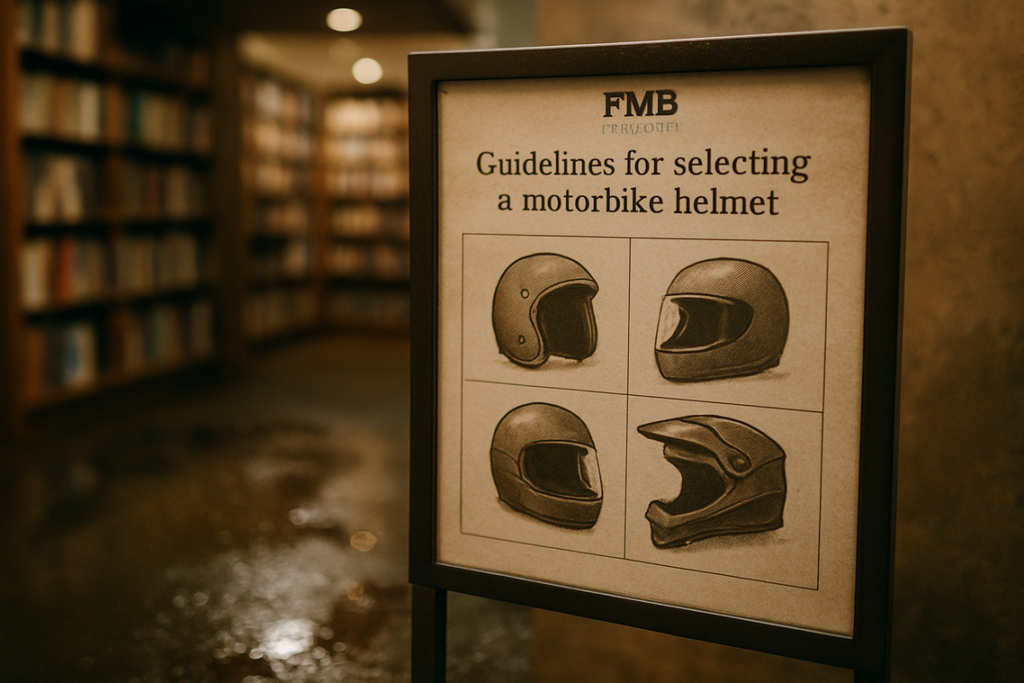
This motorbike helmet guideline fmbmotogear covers everything you need to know. How to choose the right helmet. How to make sure it fits correctly. When to replace it. How to maintain it so it actually does its job.
You’re here because you want to ride safer. Maybe you’re buying your first helmet. Maybe you’re replacing one that’s past its prime. Either way, you need information you can trust.
No marketing hype. No sponsored recommendations. Just the real-world facts about what keeps riders protected.
This guide gives you actionable steps to make sure your helmet will work when you need it to.
Decoding Helmet Safety: Ratings and Types
You’ve probably seen those stickers on helmets.
DOT. ECE. SNELL.
But what do they actually mean for your head when you go down?
I spent weeks talking to crash testers and reading impact studies. The differences matter more than most riders think.
Understanding the Acronyms
DOT is the baseline in the US. The Department of Transportation requires basic impact testing, but here’s the catch. Manufacturers self-certify. They test their own helmets and slap on the sticker.
ECE comes from Europe. It’s stricter. Independent labs do the testing, and they check multiple helmets from each production batch. The new ECE 22.06 standard (which replaced 22.05 in 2020) tests helmets at different impact points and angles. It’s becoming the global benchmark because the testing actually mirrors real-world crashes.
SNELL is the tough one. This nonprofit runs the most rigorous tests. Higher impact velocities and more hit points than DOT or ECE. But some argue it’s almost too strict for street riding.
Now let’s talk about what you’re actually putting on your head.
Full-Face: The Gold Standard
The numbers don’t lie here. Full-face helmets reduce the risk of head injury by 69% and death by 42% compared to no helmet, according to a 2017 study in Traffic Injury Prevention.
The chin bar is the key. It distributes impact force across the entire helmet structure instead of letting it crush into your face. I’ve seen crash photos where the chin bar took the hit that would’ve destroyed someone’s jaw.
Most serious riders I know won’t wear anything else.
Modular (Flip-up): Convenience vs. Compromise
These look tempting. Flip up the chin bar at stoplights or gas stations without removing your whole helmet.
But that hinge? It’s a weak point. Some modular helmets pass full-face testing with the chin bar down. Others don’t. The motorbike helmet guideline fmbmotogear recommends checking if your modular is rated as a full-face or just an open-face.
They work well for touring riders who want convenience on long trips. Just know what you’re getting.
Open-Face and Half Helmets: Know the Risks
Here’s where I need to be straight with you.
Your face and jaw account for about 35% of impact areas in motorcycle crashes. Open-face helmets leave all of that exposed.
Half helmets are even worse. They barely cover the top of your skull.
Some riders say they prefer the visibility or airflow. I get it. But you’re trading real protection for comfort, and that’s a choice you need to make with your eyes open.
The Perfect Fit: The Difference Between a Helmet and a Hat
Most people buy helmets like they buy hats.
They grab their usual size off the shelf and call it a day.
That’s a mistake. And honestly, it’s one I made for years before I learned better.
A hat sits on your head. A helmet needs to become part of it.
Measure Twice, Buy Once
Start with a soft tape measure. The kind you’d use for sewing works perfectly.
Wrap it around your head about an inch above your eyebrows. That’s the widest part of your skull. Keep the tape level and snug but not tight.
Write down that measurement in both inches and centimeters (because helmet brands can’t seem to agree on which to use).
That number is your starting point. Not your final answer.
The In-Store Fit Test
Here’s what I do every single time.
Put the helmet on. It should feel snug all the way around. Not painful, but definitely firm. Your cheeks should push up slightly when you talk.
Now move your head. Forward, backward, side to side. The helmet should move with you, not against you.
If you feel pressure points or what riders call “hot spots,” that’s a shape problem. Not a size problem. We’ll get to that in a minute.
The Roll-Off Test
Fasten the chin strap properly (and I mean actually buckle it, not just loosely).
Now grab the back of the helmet and try to roll it forward off your head. Really try.
If it comes off? Too big. If it rotates more than an inch in any direction? Also too big.
I don’t care what the size chart says. The motorbike helmet guideline fmbmotogear follows is simple: if it moves independently from your head, it won’t protect you when it matters.
Head Shape Matters
This is the part most people skip.
Your head isn’t just a size. It’s a shape. Long oval, intermediate oval, or round oval.
I have a round head. Took me three helmets to figure that out. I kept buying brands made for long oval shapes and wondering why my forehead hurt after twenty minutes.
Check fmbmotogear for brand-specific shape guides. Arai tends to run long oval. Shoei leans intermediate. HJC often fits rounder heads.
Match your shape first. Then worry about graphics and features.
Care and Maintenance: Preserving Protective Integrity
Your helmet saved your head when you bought it. Now you need to make sure it’ll do the same next time.
I see riders treat their helmets like garbage all the time. They toss them on the ground, spray whatever cleaner they find under the sink, and wonder why the thing falls apart after a year.
Here’s my take: if you spent good money on motorcycle equipment fmbmotogear, treat it right.
Cleaning Without Destroying Your Gear
Skip the harsh chemicals. Seriously.
Petroleum-based cleaners will eat through your helmet’s materials faster than you think. I’ve watched riders ruin perfectly good shells because they grabbed the wrong bottle.
Use mild soap and water. That’s it. For the visor, a microfiber cloth works better than anything else. The interior liner? Pull it out if you can and hand wash it.
Some people swear by special helmet cleaners. I think most are overpriced, but if you want one, make sure it’s made for helmets specifically.
Storage Mistakes I Keep Seeing
Never hang your helmet on your mirrors or handlebars. I don’t care how convenient it seems.
One fall and you’ve got a cracked shell you might not even notice. Plus, direct sunlight breaks down the EPS foam inside (that’s the part that actually protects your brain).
Store it in a cool, dry spot. The bag it came with? Use it. That’s what it’s for.
What to Check Before Every Ride
Following the motorbike helmet guideline fmbmotogear means regular inspections:
- Frayed or loose chin straps
- Cracks in the foam liner
- Deep scratches on the outer shell
- Padding that’s coming loose
If you find any of these, it’s time for a replacement. Your head isn’t worth the gamble.
The Hard Rules of Replacement: When to Retire Your Lid
Your helmet took a hit. Maybe you dropped it in the garage or went down on the road.
Now you’re wondering if you really need to buy a new one.
Some riders will tell you that helmets are overbuilt. They’ll say if it looks fine, it probably is fine. Why waste money on a replacement when there’s not even a scratch on it?
I hear this all the time.
But here’s what those riders don’t understand. Your helmet is a single-use safety device. The EPS foam inside crushes on impact to absorb energy. That’s its job. Once it does that job even once, it’s done.
You can’t see the damage from the outside. The foam compresses internally and loses its ability to protect you in the next crash.
So if your helmet hit the ground from handlebar height or higher, replace it. No exceptions.
Now let’s talk about time.
Even if you’ve never dropped your helmet, the materials break down. Sweat soaks into the liner. UV light degrades the shell. The glues and resins that hold everything together start to fail.
Most manufacturers say five years from first use. That’s not a suggestion. After five years, the motorbike helmet guideline fmbmotogear and other experts point to shows your protection starts to decline whether you’ve crashed or not.
Here’s what to watch for before that five-year mark hits.
If your helmet moves around on your head and the fit system won’t tighten it anymore, you’re done. A loose helmet won’t stay in place during a crash. The interior liner falling apart? Same story. And if that retention strap shows any fraying or the buckle doesn’t click solidly, don’t ride with it.
I know buying a new helmet every few years feels expensive. But think about which motorbike helmet should i buy fmbmotogear this way. It’s cheaper than a hospital bill.
Ride Smart, Ride Safe
You now know how to choose the right helmet, fit it properly, maintain it, and recognize when it’s time to replace it.
That’s not just knowledge. It’s protection.
An improper or expired helmet gives you a false sense of security. When you need it most, it can fail you. That’s a risk you don’t have to take.
Following the motorbike helmet guideline fmbmotogear puts you in control of your safety. Every time you swing your leg over the bike, you’re making a choice about how protected you’ll be.
Here’s what you need to do right now: Go inspect your current helmet. Check the manufacturing date on the inside liner. Look for any signs of damage or wear. Feel the padding and test the retention system.
If your helmet is more than five years old or shows any damage, replace it. If it doesn’t fit right, get one that does.
Your life is worth it.
Don’t ride another mile with a helmet that can’t do its job. The road doesn’t give second chances.
 Tracy W. is the founder of FMB Moto Gear, a platform dedicated to delivering informative coverage on motorcycles, rider equipment, and the evolving moto lifestyle. Passionate about road culture and vehicle innovation, Tracy created the platform to help riders stay informed about modern gear, safety practices, maintenance techniques, and industry trends.