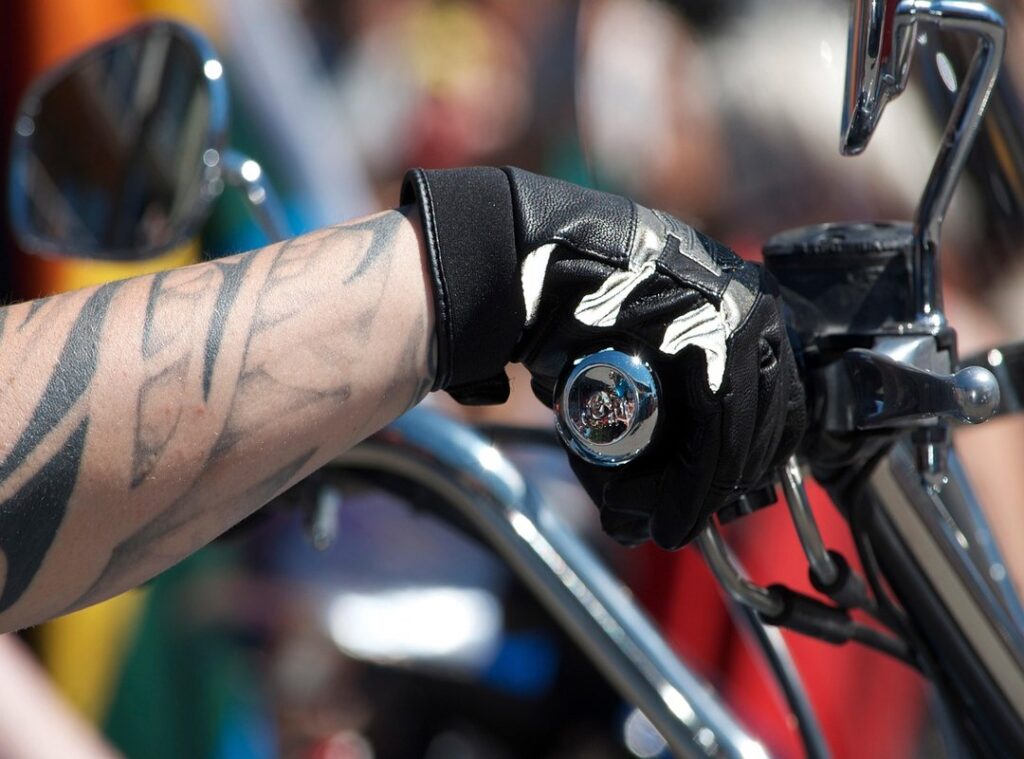
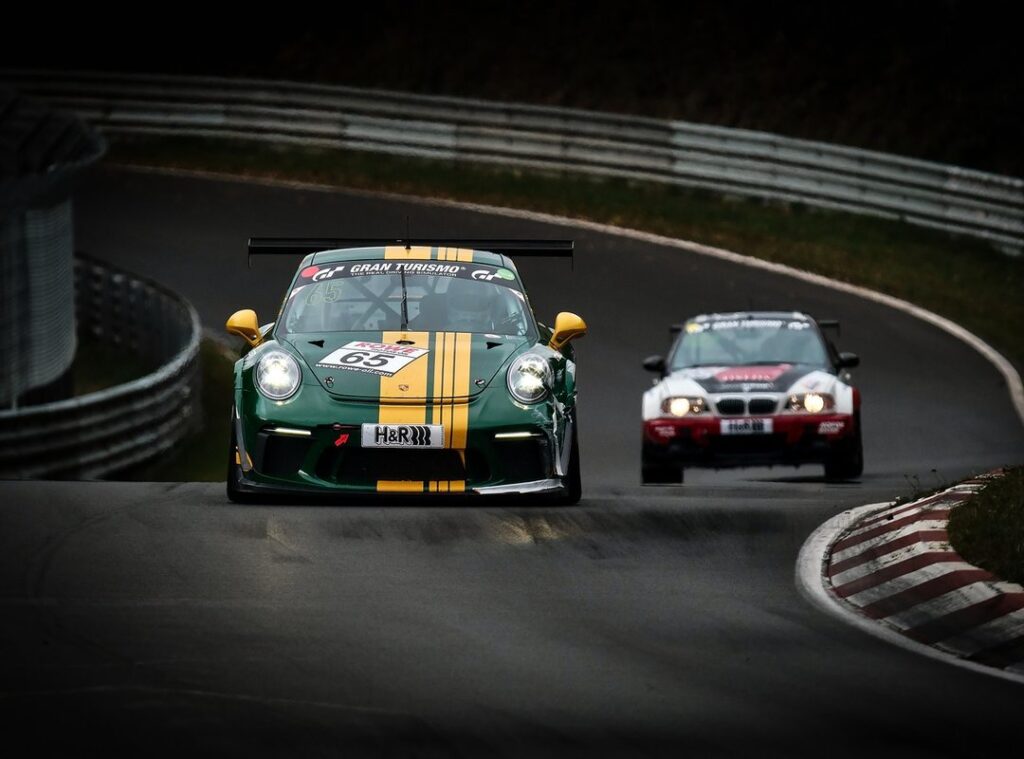
Tires scream. Smoke rises. A driver leans hard into the corner, knuckles white on the wheel.
That’s racing today.
But fifty years ago? Different cars. Different rules.
Different risks.
I’ve watched races since I was ten. Sat in the grandstand. Stood in the pit lane.
Felt the ground shake.
You probably have too.
Or maybe you just watch it on TV and wonder how we got here.
Why does everything feel so fast now? Why do drivers wear helmets that cost more than my first car?
The Evolution of Racing Fmbmotoracing isn’t about nostalgia. It’s about seeing what changed (and) why it matters.
A lot of fans love the speed but don’t know where it came from.
That’s the problem. Not knowing the roots makes the present feel shallow.
This article walks through real shifts. Not just dates and names. But how safety, tech, and money rewrote the sport.
No fluff. No jargon. Just straight talk.
You’ll understand why a 1960s race car couldn’t survive a modern crash.
And why today’s engineers spend more time on wind tunnels than wrenches.
By the end, you won’t just watch racing.
You’ll see it.
Chariots, Crankshafts, and Crazy Drivers
I saw a chariot race in Rome once. Not live—obviously (but) in a dusty museum photo. Those guys weren’t racing for trophies.
They raced to survive. Or to impress Caesar. Or just because going fast felt right.
That same itch led straight to the Paris-Rouen race in 1894. It wasn’t flashy. No grandstands.
Just twenty-one cars crawling from Paris to Rouen (some) steam-powered, some electric, most barely holding together. The winner averaged 12 mph. You’d walk faster.
The Evolution of Racing Fmbmotoracing starts here. Not with slick suits or telemetry, but with men covered in oil and dust, praying their engine didn’t explode mid-turn. (Spoiler: several did.)
Steering? A suggestion. Drivers wore goggles and grim determination.
Roads were dirt ruts. Brakes? Optional.
One racer in 1895 drove 732 miles from Paris to Bordeaux. in one day. His car had no windshield. No seatbelt.
No mercy.
These weren’t professionals. They were mechanics, nobles, and tinkerers who thought “What if we race these things?” and then did it.
The sport has seen remarkable changes over the years, with innovations and technology driving the evolution of Fmbmotoracing to new heights.
You think your commute is rough? Try changing a tire at 25 mph on a cobblestone road with no spare.
Fmbmotoracing keeps that raw nerve alive (no) filters, no fluff, just gear built for people who still ask “How fast can it go?” before checking the manual.
Most early races ended in breakdowns. Or crashes. Or both.
Racing Got Real in the 1920s
I watched old footage once. Cars bouncing down dirt roads, drivers holding on for dear life. That was before the Twenties.
Then everything changed.
After World War I, people wanted speed. Not just fast street cars (real) race machines. I built one once.
Took six months. No compromises.
Tracks followed. Brooklands opened in 1907, but the 1920s saw purpose-built circuits like Monza and Le Mans. Designed for speed.
Designed for crowds. You could actually see the cars.
Manufacturers noticed. Alfa Romeo, Bugatti, Bentley. They weren’t just selling cars anymore.
At the bar.
They were fighting each other. On the track. In the papers.
Speeds jumped. 100 mph wasn’t rare anymore. It was expected.
Safety? Ha. A leather helmet.
Maybe goggles. A roll bar? That came later.
Much later.
Drivers died. Spectators died. Nobody talked about it much back then.
The Evolution of Racing Fmbmotoracing started here. Not with data or simulations, but with grease, grit, and guts.
You think modern safety gear is overkill? Try racing without it.
What would you have done. Build a car or drive it?
Monza’s banking still stands. So do the scars.
After the War, Racing Took Off
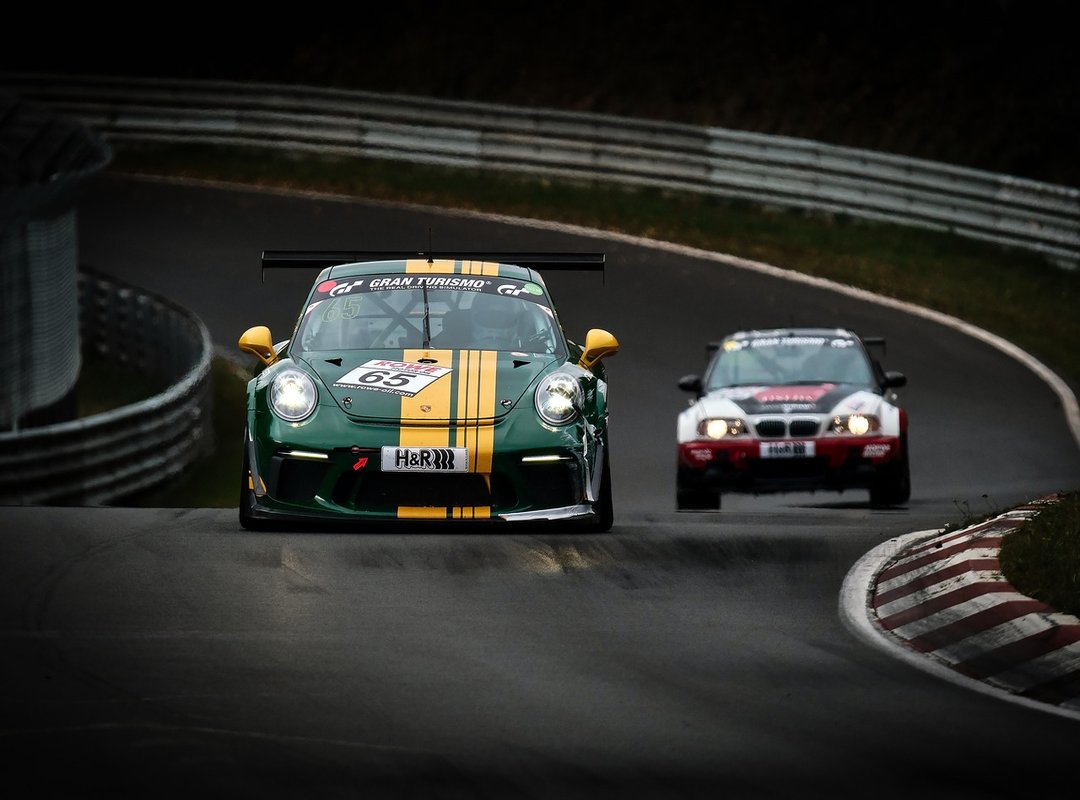
I watched old footage of those first post-war races. Cars looked like they were held together with hope and duct tape.
Engines got better fast. Factories rebuilt. People wanted speed again.
Formula 1 started in 1950. It was about precision, engineering, and driver nerve. Not showbiz.
Just raw competition on tight European roads.
NASCAR? That was American asphalt and big V8s. Daytona Beach.
Dirt tracks. Drivers who fixed their own cars between heats.
Le Mans ran for 24 hours straight. You needed reliability and guts. I still don’t know how drivers stayed awake.
Fans showed up in droves. From Buenos Aires to Tokyo. Racing wasn’t just local anymore.
It was global before the word meant anything.
Stirling Moss. Juan Manuel Fangio. Carroll Shelby.
These weren’t just drivers. They were legends built on real risk.
Tires melted. Wings didn’t exist yet. Engineers figured out downforce by watching what broke first.
Aerodynamics? Mostly guesswork until the late ’60s. Then everything changed (fast.)
The Evolution of Racing Fmbmotoracing includes this wild scramble for speed and safety at the same time.
You ever wonder how many crashes it took to get a decent seatbelt?
Motorbike Competition Fmbmotoracing kept pace with all this chaos (bikes) got faster, leaner, louder.
No one slowed down. Not the fans. Not the builders.
Not the riders.
That golden age wasn’t polished. It was loud, dangerous, and completely alive.
Racing Got Smarter. And Safer.
I watched my first race in ’98 at Laguna Seca. The bikes screamed. The air smelled like burnt rubber and hot metal.
(Not much has changed there.)
Computers took over the garage by 2005. Not just for lap timing. Real-time telemetry, fuel mapping, suspension damping adjustments mid-corner.
You don’t guess anymore. You know.
Aerodynamics got serious. Wings aren’t just for show. They keep the front wheel down under braking.
I’ve seen riders walk away from 180 mph highsides because the chassis didn’t fold like a taco.
HANS devices? Non-negotiable now. Same with on-track medical teams that arrive before the bike stops skidding.
Simulators replaced half the test days. Riders train on virtual versions of Suzuka or Phillip Island while engineers tweak tire models in real time.
It’s not man vs machine. It’s man with machine. Pushing limits we couldn’t touch twenty years ago.
Safety isn’t an afterthought. It’s built into every bolt, every sensor, every protocol.
You think about that when you see a crash replay. How fast it happens. How fast they respond.
The Evolution of Racing Fmbmotoracing shows how far we’ve come. And how much further we’ll go.
Wondering if it’s safe enough? Is motorcycle racing safe fmbmotoracing breaks it down.
Your Next Lap Starts Now
I just showed you how racing got here.
From chariots kicking up dust to F1 cars hitting 220 mph in a blur.
You wanted to understand The Evolution of Racing Fmbmotoracing (not) just the dates or names, but why it matters.
And let’s be real: if you didn’t get it before, you do now.
That gap? That confusion about how we went from hooves to hybrid power units? Gone.
This isn’t just about engines and tires. It’s about people risking everything. It’s about decades of trial, failure, and raw stubbornness pushing speed forward.
So next time you watch a race. Any race. Don’t just see the action.
See the centuries behind it. Feel the weight of that history in every gear shift.
You came here because you felt out of step with the sport’s depth.
Now you’re not.
Grab your favorite race this weekend. Watch it slower. Listen closer.
Ask yourself: What did it take to get here?
Then enjoy it (fully.) No guilt. No confusion. Just speed, story, and satisfaction.
 Fenrithia Hearthmoor is a contributor at FMB Moto Gear who specializes in motorcycle gear reviews, rider protection, and touring essentials. With a strong appreciation for functional and dependable riding equipment, she creates informative articles designed to help readers choose gear that improves both comfort and safety on the road.