My motorbike felt wrong.
Not broken (just) off.
You know that feeling. Throttle response is lazy. Fuel burns faster than it should.
The engine doesn’t pull like it used to.
I’ve seen it a hundred times.
Riders blaming the bike, the weather, bad gas (when) the real issue is tuning.
Tuning isn’t magic. It’s adjusting what the bike already knows how to do. Air.
Fuel. Spark. Timing.
All of it matters.
This isn’t theory. I’ve done this on dirt bikes, cruisers, sportbikes. Yours included.
No fluff. No jargon. Just what works.
You want Motorbike Tuning Advice Fmbmototune that fixes real problems. Not guesswork. Not forum myths.
So we’ll start with your symptoms. Sluggish? Jerky?
Thirsty? We’ll match each one to a fix.
You’ll learn how to test changes yourself. How to tell if it’s better. Or worse.
After five minutes on the road.
No special tools required to begin.
Just your eyes, ears, and a few basic adjustments.
This article gives you clear steps. Not ideals. Not “shoulds.” Actual moves you make today.
You’ll ride smoother. You’ll feel the power come back. And you’ll stop wondering why your bike doesn’t act right.
What Motorbike Tuning Really Is
Motorbike tuning means changing how your engine and related systems work.
I adjust fuel maps, ignition timing, air intake (stuff) that changes how the bike breathes and burns fuel.
It’s not magic. It’s physics. (And yes, it’s way more precise than just twisting a screwdriver and hoping.)
Why does it matter? Because your bike wasn’t built for your weight, your altitude, or your favorite backroad. Stock settings are compromises.
Tuning throws those out.
Want more power without blowing up the motor? Better gas mileage on twisty roads? Throttle response that doesn’t make you lurch forward like a startled deer?
That’s what tuning fixes.
Different riding styles need different setups. Touring with luggage? You’ll want smoother low-end torque.
Track days? You’ll chase top-end punch. Even where you live matters (Denver) needs different tuning than Miami.
You’re not just chasing numbers. You’re chasing feel. Control.
Confidence.
If you’re looking for real-world Motorbike Tuning Advice Fmbmototune, start here: Fmbmototune
Ever ride a bike that felt off. Like it was holding back? Yeah.
That’s what tuning fixes.
Fuel, Air, and Spark: The Engine’s Holy Trinity
I tune bikes because I want them to run right. Not flashy. Not loud for show.
Just right.
Fuel, air, and spark are the only three things that matter when the engine fires. Everything else is noise.
Too much fuel? That’s rich. You’ll get black smoke, sluggish power, and fouled plugs.
(Yes, I’ve cleaned those myself.)
Too little fuel? That’s lean. Engine runs hot.
Pings. Dies on you mid-hill. Not fun.
Air gets in through the filter. Old bikes use carburetors. Simple, mechanical, easy to fiddle with.
Newer bikes use fuel injection. Precise, computer-controlled, harder to tweak without a laptop.
Spark plugs light the mix. But timing matters more than the plug itself. Fire too early?
Knock. Too late? Weak power.
You feel both instantly.
Think of it like lighting a match in a paper bag. Too much paper? Smothers the flame.
Too little? Flame dies fast. Just right? Pop. Clean burn.
You don’t need fancy tools to spot bad tuning. You hear it. You feel it.
You smell it.
That’s why real-world feedback beats theory every time.
Motorbike Tuning Advice Fmbmototune starts here. Not with software or dynos, but with knowing what each part does.
Ignition timing isn’t magic. It’s degrees. Measured.
Adjusted. Checked.
And if your bike stumbles at 4,000 rpm? That’s not random. It’s fuel.
Or air. Or spark. Pick one.
Fix it.
What Actually Changes When You Tune a Bike
Carburetor tuning means touching jets. Main jet handles wide-open throttle. Pilot jet runs idle to 1/4 throttle.
Needle position tweaks mid-range. Air screw fine-tunes idle mixture. (Yes, it’s fiddly.
Yes, you’ll turn it too far.)
Fuel injection isn’t magic. It’s the ECU reading sensors and deciding how much fuel to squirt (and) when to spark. Remapping changes those decisions.
You’re not hacking anything. You’re updating instructions.
Air filters matter. A stock filter chokes airflow. A free-flow one lets more air in.
Very bad.)
More air means more fuel needed. Or you’ll run lean and burn valves. (Lean is bad.
Aftermarket exhausts drop back pressure. That changes how exhaust gases exit. Engine breathes differently.
Fuel map needs adjusting. Ignition timing might need tweaking too.
Spark plugs aren’t plug-and-play. Heat range must match your riding style and engine temp. Too hot?
Pre-ignition. Too cold? Fouling.
Gap affects spark strength. Wrong gap = misfire.
You don’t tune just because. You tune because something feels off (or) you changed a part that moves air or fuel.
Need a solid baseline before you start tweaking? Try a full Motorcycle Tune up Fmbmototune.
Most people skip this step. Then wonder why their new exhaust sounds flat.
Tuning isn’t optional after big changes. It’s required.
DIY vs Pro Tuning: Know When to Stop
I check my spark plugs every 2,000 miles. They’re black? I clean or replace them.
Air filter clogged with dust from the San Fernando Valley roads? I rinse it out. Idle rough?
I twist that little screw (if) the manual says it’s safe.
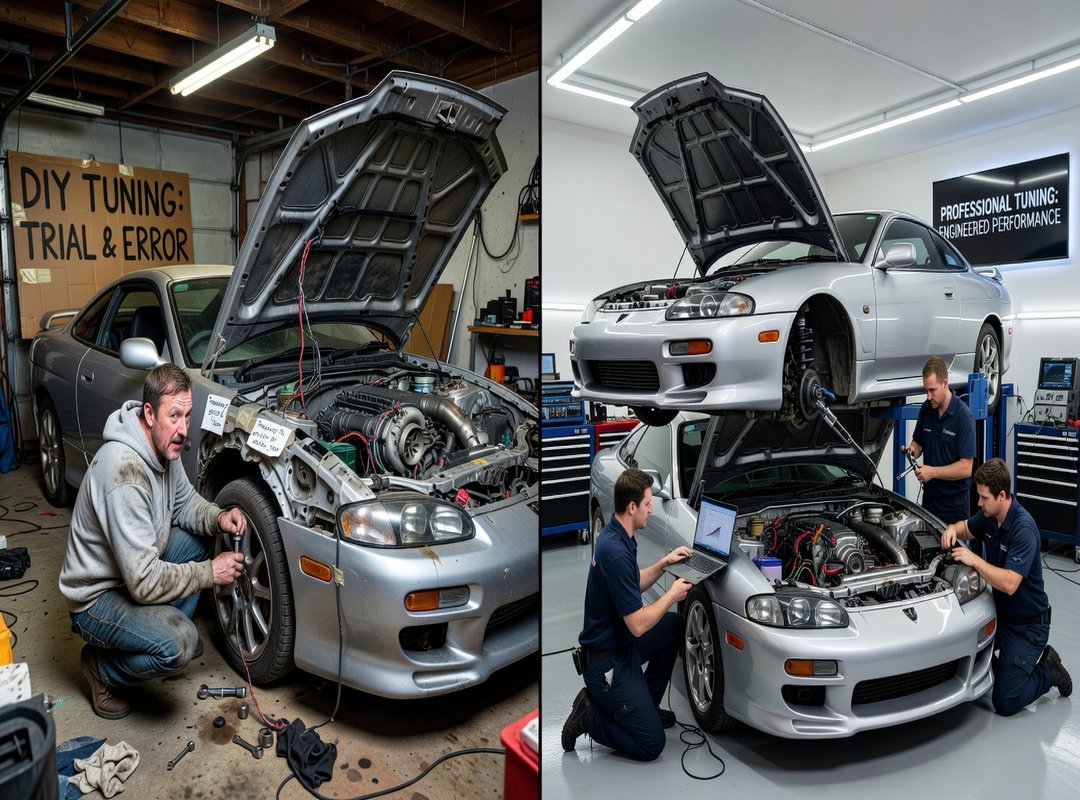
You can do those things. You should.
But when your bike hesitates on Sepulveda Boulevard and you think “maybe the fuel map is off,” stop. That’s not a screwdriver job. ECU remapping needs a laptop, a cable, and someone who’s seen real knock data (not) just YouTube tutorials.
Dyno tuning costs money. It also prevents melted pistons. (Yes, that happens.)
Professionals have gear you can’t rent. They’ve tuned fifty bikes just like yours. They know what 14.7 AFR actually looks like under load.
I’ve seen riders fry clutches trying to “tune” their own ignition timing. You don’t need a degree. But you do need humility.
Not just what the app says.
If you’re second-guessing it, you already know the answer.
Motorbike Tuning Advice Fmbmototune isn’t about doing everything yourself. It’s about knowing what you shouldn’t touch.
When Your Bike Starts Lying to You
It’s not just noise. It’s your bike telling you something’s off.
Poor fuel economy? That’s money burning in the tank. Backfiring?
That’s unburnt fuel exploding where it shouldn’t. Hesitation on throttle? Your engine’s choking mid-breath.
Black exhaust smoke means too much fuel. White smoke points to coolant leaking in (bad) news. Rough idle?
Your air-fuel mix is out of whack.
You feel it before you see it. A hesitation. A stumble.
A weird vibration at stoplights.
Trust your gut more than your gauge.
If you’re second-guessing whether tuning is safe, check out Is motorcycle tuning safe fmbmototune.
Motorbike Tuning Advice Fmbmototune isn’t magic. It’s maintenance with intent.
Ride Better Tomorrow
I’ve tuned bikes for years. Most riders never touch the basics. Their bikes run flat.
Slow. Unresponsive.
You feel that. That lag when you twist the throttle. That hesitation in the midrange.
That’s not normal. That’s untapped potential.
Smart tuning fixes the engine’s core jobs: air, fuel, spark. No magic. Just precision.
Start today. Listen to your bike. Check the air filter.
Clean the plugs. Feel how it responds.
If it still stumbles? Call a pro. Don’t guess.
Don’t risk it.
Your ride deserves better.
You deserve better.
Get Motorbike Tuning Advice Fmbmototune now. Read it. Try one thing this weekend.
Then ride again. Feel the difference.
 Fenrithia Hearthmoor is a contributor at FMB Moto Gear who specializes in motorcycle gear reviews, rider protection, and touring essentials. With a strong appreciation for functional and dependable riding equipment, she creates informative articles designed to help readers choose gear that improves both comfort and safety on the road.