I’ve picked the wrong motocross bike before.
It sucked.
You’re staring at a wall of Motocross Bikes Fmboffroad. Big engines, tiny frames, weird names. And you’re not sure which one won’t embarrass you on day one.
What if it’s too heavy? Too twitchy? Too much bike for the trails you actually ride?
Yeah. That’s why you’re here.
This isn’t about specs sheets or dealer talk. It’s about what you can handle. What your dirt looks like.
Whether you’re riding tight woods, open desert, or backyard hills.
Beginners get wrecked on bikes meant for pros. Pros waste money on overbuilt machines for casual rides.
So we cut through the noise. No fluff. No jargon.
Just real talk about engine size, suspension travel, seat height, and how each one feels when you’re leaning hard into a rut.
You’ll learn how to match the bike to your skill (not) someone else’s idea of what you “should” be riding.
And how to read terrain like a rider, not a brochure.
By the end, you’ll know exactly which bike fits you. Not the hype. Not the Instagram post.
You.
That’s the promise.
2-Stroke or 4-Stroke? Just Pick One
I rode both before I stopped pretending I needed both.
2-strokes fire every time the piston hits the top. Simple. Light.
And it scares new riders (rightfully so).
Explosive. That snap at the throttle? It’s real.
4-strokes fire every other time the piston hits the top. More moving parts. Heavier.
But that power rolls on smooth, with torque low in the RPMs. You twist and go. No guessing.
Beginners should start on a 4-stroke. Not because they’re “easier,” but because they forgive mistakes. A 2-stroke punishes hesitation.
It wants commitment. Right now.
Maintenance? 2-strokes need oil mixed in gas (or injected), and top-end rebuilds every few races. 4-strokes need oil changes, valve checks, and longer intervals. But cost more up front and to fix.
Cost-wise, used 250Fs often beat new 250s on price. But parts for older 2-strokes get weirdly expensive. And rare.
You want raw feedback and love engine noise? Grab a 2-stroke.
You want to ride all day without arm pump or second-guessing the clutch? 4-stroke.
I’d grab a 2023 Yamaha YZ250F today (unless) I was training someone new. Then I’d hand them a KTM 250 SX-F and point them to Motocross Bikes Fmboffroad.
Ride what fits your wrists. Not your ego.
Bike Size Isn’t Just Height (It’s) Confidence
I watched a kid try to ride a 250cc bike last summer. He couldn’t touch the ground. He dropped it three times in five minutes.
His knuckles were white the whole time.
That’s not learning. That’s fear.
Seat height matters more than engine size sometimes. If you can’t plant both feet flat, you’re balancing on hope (not) control.
Young kids start at 50cc. Not because it’s “cute.” Because it’s light, low, and slow enough to catch a mistake before it becomes a crash.
Juniors move to 85cc when they’ve got leg length and throttle control. Teens? Some nail 125cc fast.
Others need months on a 250cc before touching a 450cc.
Weight matters too. A heavy bike fights you mid-turn. A light one leans when you ask.
Stand over the bike. Both feet flat. Knees slightly bent.
You should feel like you’re on it (not) under it.
Too big feels heroic until you stall in a rut. Too small feels boring (until) you realize you’re actually riding, not surviving.
Start smaller. Ride it hard. Then step up.
Motocross Bikes Fmboffroad isn’t about ego. It’s about matching the machine to the rider (not) the other way around.
What You’ll Actually Ride On
I pick bikes based on where I ride. Not what looks cool in a magazine.
You do too.
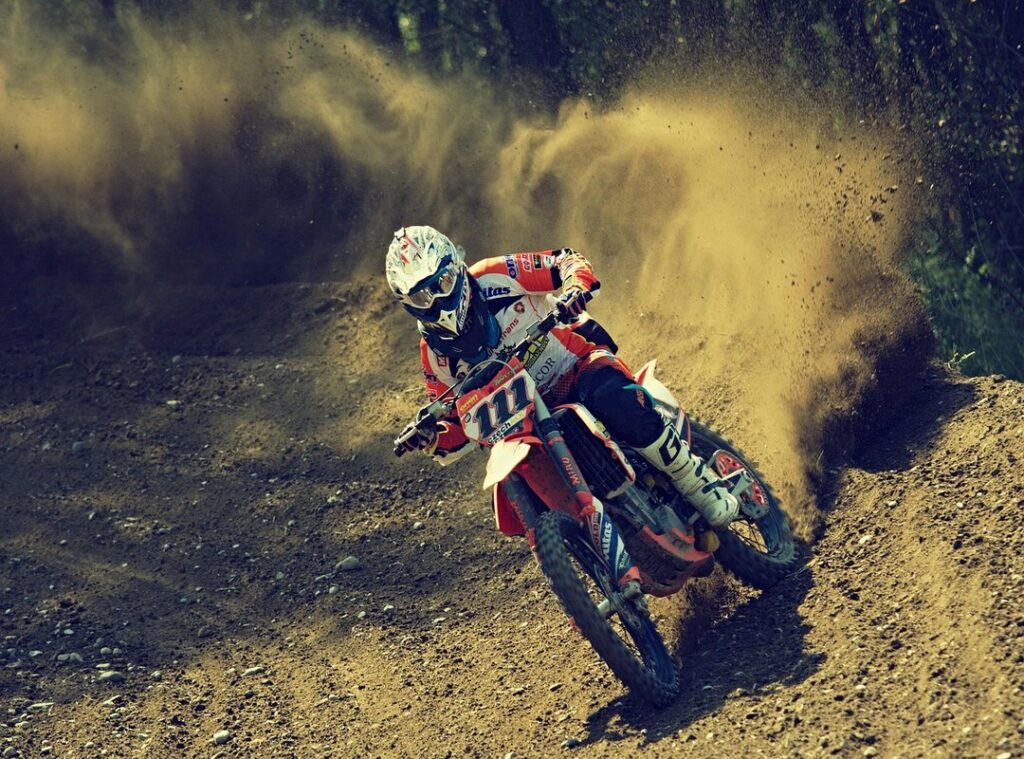
Track racing? You need stiff suspension and power that hits hard and fast. No time for lazy throttle response when you’re jumping whoops at 60 mph.
(And yeah, you’ll crash. Suspension better absorb it.)
Trail riding is different. You want a wide powerband so you don’t stall climbing roots. Electric start matters when you’re tired at mile ten.
A headlight isn’t optional if you ride past sunset. Softer suspension keeps your wrists from vibrating off.
Desert? Sand eats weak forks. You need long-travel suspension and paddle tires that bite, not float.
Mud? Tires with tall, spaced knobs. Hard-packed dirt?
Smaller knobs, stiffer sidewalls.
Backyard fun? A lightweight 125 or electric bike works fine. No need for race-spec parts when you’re just lapping the fence line.
Ask yourself: What’s my first ride this season?
Not your dream ride. Not your someday ride. The one you’ll actually do next weekend.
That answer tells you more than any spec sheet.
If you’re still stuck, check the Dirt bike guide fmboffroad. It breaks down real-world trade-offs, not marketing fluff.
Motocross Bikes Fmboffroad aren’t one-size-fits-all. They’re tools. Pick the right one for the job you’re doing (not) the one you wish you were doing.
What You Actually Get From Good Parts
I ride hard. My wrists ache if the suspension sucks.
Good suspension means less fatigue, better control, and fewer surprises when you hit a root or rut.
Air forks adjust fast with a shock pump. Spring forks need a wrench and patience. (I swapped mine mid-season and regretted it.)
You want preload, compression, and rebound dials. Not just one.
Brakes? Discs are non-negotiable. Single-piston calipers fade.
If your front brake shudders or pulls left, you’re already behind.
Dual-piston grabs hard and stays consistent.
Ergonomics aren’t fancy (they’re) whether your knees bend right, your wrists stay neutral, and your butt doesn’t slide off the seat.
Handlebar height, footpeg position, and seat shape all change how long you can ride without cramping.
Adjustability helps. But only if it’s simple. No hex keys every time you shift.
Electric start saves your shoulder. Fuel injection starts cold and runs clean. Carburetors leak, gum up, and beg for tuning.
Aftermarket parts matter only if the frame and mounting points support them.
You don’t buy upgrades. You buy space to grow into them.
Want proof dirt bikes aren’t just loud toys? Check out Are Dirt Bikes Fast Fmboffroad.
Motocross Bikes Fmboffroad aren’t about specs on paper. They’re about what you feel in your hands, feet, and spine after ten laps.
Your Turn to Ride
I know how confusing Motocross Bikes Fmboffroad can feel. Too many options. Too much jargon.
Too much second-guessing.
You don’t need more specs.
You need clarity.
That’s why engine type, sizing, your actual skill level (and) what you’ll really do with the bike (matter) more than any brochure.
Not every bike fits every rider.
Not every rider needs the same thing.
So stop scrolling. Stop comparing. Go sit on one.
Visit a local dealer this week.
Ask to test two models back-to-back.
Feel the weight. Feel the seat height. Feel whether it makes you grin.
Or sweat.
And yes. Buy the helmet first. Not last.
Not “maybe.” First.
Your safety isn’t optional.
Your confidence is earned. Not downloaded.
You’ve got the basics now.
What’s stopping you from turning the key?
 Fenrithia Hearthmoor is a contributor at FMB Moto Gear who specializes in motorcycle gear reviews, rider protection, and touring essentials. With a strong appreciation for functional and dependable riding equipment, she creates informative articles designed to help readers choose gear that improves both comfort and safety on the road.