Are dirt bikes fast?
You’ve seen them blast up hills. You’ve heard that high-pitched scream. You’re wondering if they’re actually fast.
Or just loud and twitchy.
Are Dirt Bikes Fast Fmboffroad. That’s the question bouncing around your head right now.
I’ve ridden them on fire roads, mud pits, and rocky trails. I’ve torn down clutch cables and rebuilt carburetors. I know what makes one fly (and) what makes another stumble.
Speed isn’t just about top-end numbers. It’s how quick it jumps off the line. How hard it pulls in second gear.
Whether it stays planted when you grab too much throttle.
Some hit 60 mph. Some barely crack 40. And no, engine size alone doesn’t tell you which is which.
Weight matters. Gearing matters. Tire choice matters.
Even your body position changes how fast it feels.
This isn’t theory. This is what happens when rubber meets dirt (and) physics says no.
I’ll break down real-world speeds. Not factory claims. Not YouTube stunts.
Just honest numbers. And why they vary.
You’ll learn what actually limits speed (and) what you can change.
No fluff. No jargon. Just straight talk from someone who’s dropped a bike at speed (more than once).
You’ll walk away knowing exactly how fast dirt bikes really are (and) whether that speed matches what you need.
Fast Isn’t Just a Number
Are Dirt Bikes Fast Fmboffroad? I get asked that all the time. And my answer is always: It depends on what you’re trying to do.
I’ve watched riders stall out on a hill climb while their 450 screamed past me on a straightaway. That bike wasn’t “fast” for that moment. But it was fast enough to jump a triple and land clean.
Dirt bikes don’t chase top speed. They chase grip. They chase reaction time.
They chase the ability to flick left, then right, then up a rock face. all before you blink.
Street bikes? They’re built for long stretches of asphalt. Dirt bikes are built for chaos.
Acceleration matters more than mph. Handling matters more than lean angle. Responsiveness matters more than horsepower charts.
Motocross bikes need snap off the gate. Enduro bikes need torque at low RPMs. Trail bikes need balance (not) outright speed.
You don’t measure dirt bike speed in miles per hour. You measure it in how quickly it gets you where you need to be, not where the road says you should go. (Which is why I always check suspension setup before I even look at the throttle.)
Go see what real dirt bike speed feels like at Fmboffroad.
How Fast Do Dirt Bikes Really Go?
I’ve ridden everything from a 50cc kid’s bike to a snarling 450.
And no. They’re not all built for speed.
Small bikes (50cc (85cc)) top out around 30. 45 mph. That’s enough to scare a beginner. (Or make your dad yell from the trailhead.)
Mid-range bikes (125cc (250cc)) hit 60. 75 mph on flat, hard-packed ground. My old 250F did 68 on a dry lake bed. And I tapped out fast.
You don’t need more speed than that in the woods.
Big bikes (450cc+) can reach 80. 90+ mph. Some claim over 100. I’ve seen it once (on) a closed course, with a helmet cam, and zero sense of self-preservation.
Are Dirt Bikes Fast Fmboffroad?
Yes. But not like you think.
Top speed means almost nothing when you’re dodging roots, hitting whoops, or climbing loose rock.
Real dirt biking is about control (not) a number on a GPS app.
These are rough estimates. Tire choice, rider weight, elevation, and even humidity change things. A stock 450 in Denver won’t pull the same as one at sea level.
(Physics doesn’t care about your ego.)
Don’t chase mph. Chase clean lines. Chase flow.
Chase the ride (not) the number.
What Actually Makes a Dirt Bike Fast
Engine size matters. Bigger CCs usually mean more power and higher top speeds. But it’s not just about the number on the sticker.
2-strokes hit hard and fast. They feel explosive off the line. 4-strokes pull longer and smoother. You don’t always go faster (but) you feel more in control.
(Which one do you trust when the trail gets sketchy?)
Gearing changes everything. Swap a tooth or two on the sprockets and you trade top speed for snap (or) vice versa. I’ve seen riders ruin a whole ride by ignoring this.
Rider skill changes speed more than any spec sheet. A pro on a 250F will outpace an amateur on a 450F every time. Weight matters too (lighter) riders accelerate quicker, heavier ones carry momentum better on rough ground.
Terrain decides what “fast” even means. Mud kills speed. Sand swallows it.
Hardpack lets you fly (if) your tires are right. Rocks? That’s not speed.
That’s survival.
Maintenance isn’t optional. A dirty air filter chokes power. Wrong tire pressure ruins grip and response.
A sloppy chain eats acceleration. You wouldn’t race a car with bald tires. So why do it on dirt?
Are Dirt Bikes Fast Fmboffroad? Yes. But only if you match the bike to the rider, the gear, and the ground. learn more
How Fast Is Fast, Really?

Are Dirt Bikes Fast Fmboffroad? Yeah. But not how you think.
A dirt bike won’t outrun a Corvette on a track. (That’s fine. It’s not trying to.)
It will leave that same car buried in whoop-de-doos and ruts where pavement ends.
Cars need grip. Street bikes need smooth asphalt. Dirt bikes need traction where there is almost none.
They accelerate hard off the line. Not because they’re built for top speed, but because they’re built to react. To jump.
To lean sideways over gravel.
You don’t compare them to highway cruisers. You compare them to what’s possible when the ground disappears under you.
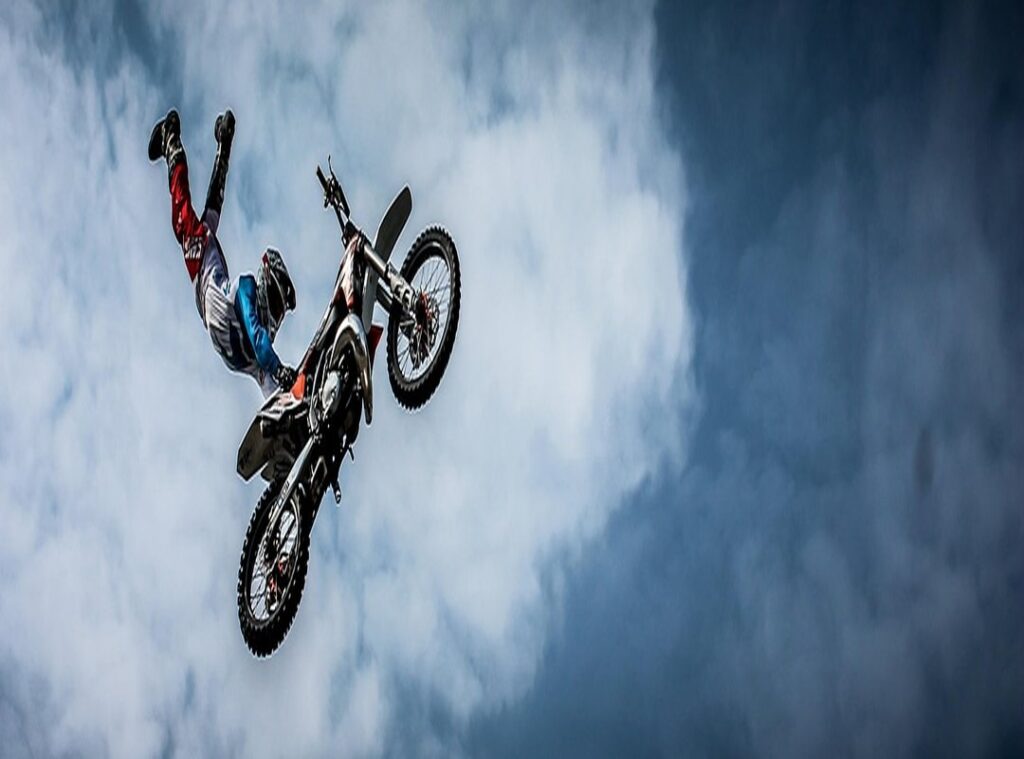
Some people say they’re slow because they top out at 60 mph. I say try holding that speed while airborne over a double jump. Try it with mud flying and your arms burning.
That’s not slow. That’s focused.
Speed isn’t just numbers on a dial. It’s control in chaos.
And if you’re riding hard enough to need real protection, grab the Best Motorcross Gloves Fmboffroad.
Speed Isn’t Just a Number
Dirt bikes are fast.
But not how you think.
Are Dirt Bikes Fast Fmboffroad? Yes. But speed means nothing if it doesn’t match your skill or the trail under you.
I’ve watched beginners stall a 450 on loose gravel while a kid on a 125 carved corners like it was nothing. Agility matters more than top speed when rocks, ruts, and roots decide what happens next. Engine size?
Gearing? Rider input? Terrain?
All of it fights for control (and) wins some days.
The fastest bike on paper is often the slowest in practice.
Especially if it’s too heavy, too twitchy, or too much bike for where you ride.
You didn’t click hoping for a spec sheet. You want to feel it. The rush, the lean, the dirt flying.
Not get dropped by your own machine.
So stop chasing “fast.”
Start asking: What do I actually need? What terrain do I ride? How comfortable am I with throttle, brakes, and balance?
Talk to someone who rides your kind of trails. Not just forums. Real people.
In person. Then test ride two bikes. Not one.
Feel the difference in power delivery, weight, and response.
Your pain point isn’t speed. It’s confidence. Control.
Consistency.
Ready to stop guessing? Go ride. Not just look.
Not just read. Get on a bike that fits you. Not the brochure.
 Fenrithia Hearthmoor is a contributor at FMB Moto Gear who specializes in motorcycle gear reviews, rider protection, and touring essentials. With a strong appreciation for functional and dependable riding equipment, she creates informative articles designed to help readers choose gear that improves both comfort and safety on the road.