The roar of a motorbike engine isn’t just sound (it’s) tension, speed, and risk all at once.
You feel it in your chest before the flag drops.
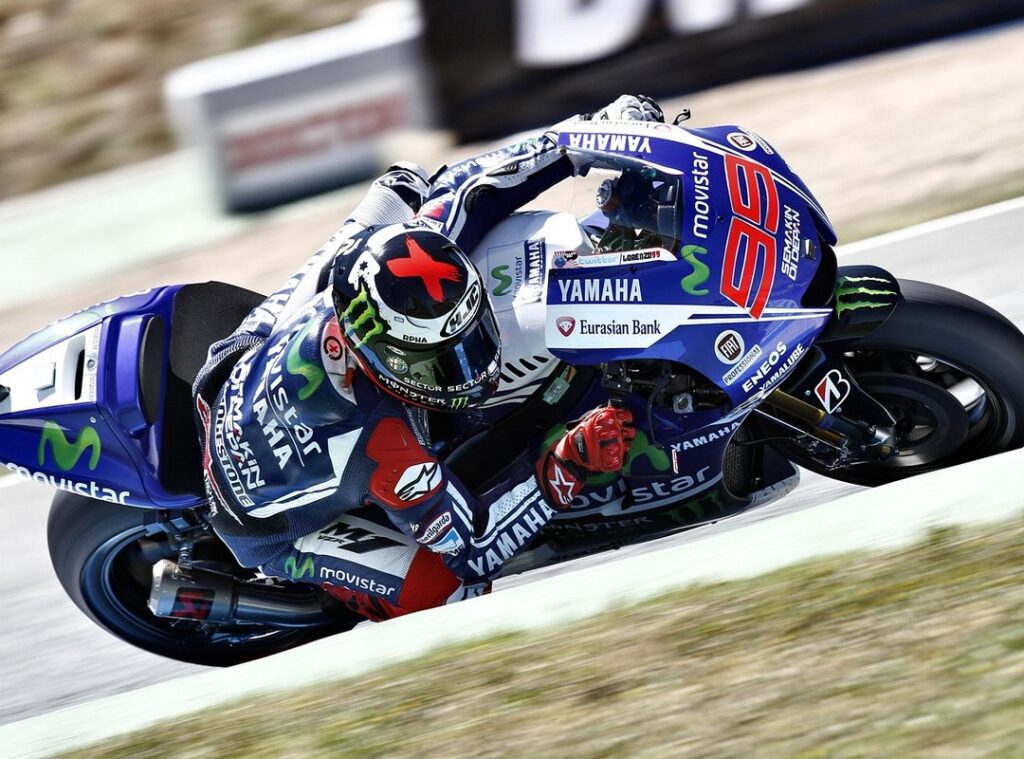
I’ve stood trackside watching riders lean into corners at 180 mph. It’s beautiful. It’s terrifying.
And it didn’t start there.
So how did it actually begin?
Not with carbon fiber or telemetry (but) with clattering engines, dirt roads, and guys who just wanted to see how fast they could go.
This article answers How Motorbike Racing Started Fmbmotoracing. No fluff. No guesswork.
Just what happened (and) why it mattered.
Early races weren’t polished events. They were messy, loud, and often illegal. Riders rigged bikes on weekends.
Organizers borrowed fields. Rules? Made up as they went.
That chaos built something real. Every crash taught them something. Every record pushed the next rider further.
Understanding that origin changes how you watch the sport today. It’s not just about speed. It’s about stubbornness.
Invention. Guts.
You’ll get the real timeline. Not the glossy version. Names.
Dates. First races. First scandals.
First real fans. All of it ties back to one question: where did this obsession begin?
Read on. You already know the answer starts long before the starting grid.
First Bikes Were Just for Getting There
I saw a photo of the Daimler Reitwagen once. It looked like a wooden bicycle with a wobbly engine strapped on. (And yes (it) ran on hot air and gasoline, not magic.)
These weren’t race machines. They were transportation. Plain and awkward.
People needed to move faster than horses. So they bolted engines onto bike frames. Steam first.
Then gas. Most early riders just wanted to get to work. Or the pub (without) breaking a sweat.
The Reitwagen mattered because it worked. Barely. But it proved motors could roll on two wheels without falling over.
(Mostly.)
That’s how Motorbike Racing Started Fmbmotoracing. Not in stadiums. Not with rules.
Then something predictable happened: someone revved it up. And then someone else said “Bet mine’s faster.”
Just two guys on dirt roads, egging each other on.
Early races were bragging rights disguised as contests. No trophies. No timing chips.
Just dust, noise, and pride.
You think your commute is boring? Try pedaling a 100-pound metal frame with a sputtering engine strapped to it.
I’d rather walk.
Most riders back then couldn’t even shift gears properly. They just held on and hoped.
Sound familiar? Some things haven’t changed much. Check out what real riders do now at Fmbmotoracing.
Roads Got Wild. Then Tracks Got Real.
I watched old photos of riders weaving through horse carts and potholes on French country roads.
That was racing in 1895.
No helmets. No rules. Just guts and a machine that might quit mid-race.
You think that’s reckless? So did the police. And the crowds who got trampled.
So someone said enough and shut down a stretch of dirt near Le Mans. Closed it off. Put up ropes.
Called it a circuit.
That’s how Motorbike Racing Started Fmbmotoracing (messy,) loud, and barely legal at first.
Early races weren’t about lap times. They were reliability trials. Could your bike go 100 miles without breaking?
Could it climb a hill in rain?
People showed up with picnic baskets. Kids climbed trees. Newspapers sent reporters (not) for sports pages, but for the scandal.
Rules came slow. First it was “no oil spills.” Then “no pushing.” Then “you must start and finish on the same bike.”
Sound basic? Try enforcing that when your only officials are three guys with stopwatches and a clipboard.
The excitement wasn’t in the speed. It was in the risk. One wrong turn meant ditch or ditched reputation.
Tracks didn’t make racing safer overnight.
They just made it possible to watch without ducking.
And yeah (I’d) still rather see a race on gravel than a spreadsheet full of telemetry.
(But don’t tell the engineers I said that.)
Isle of Man TT: Where It All Got Wild
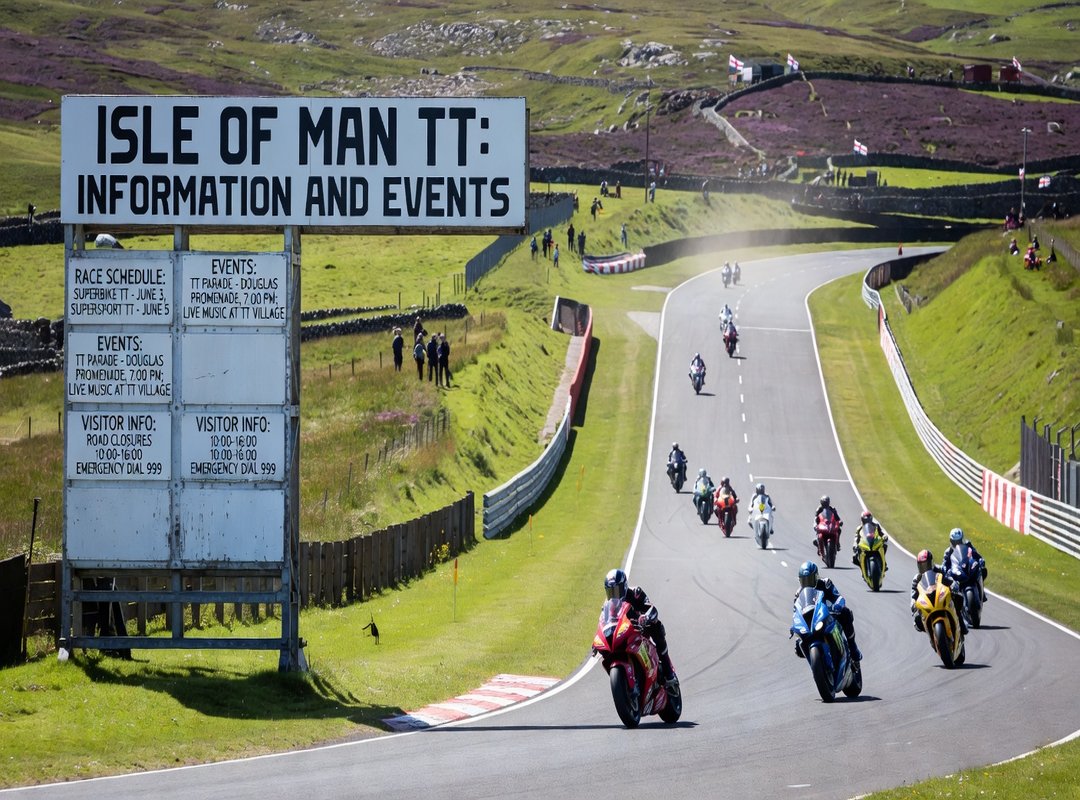
I watched my first TT race on a grainy VHS tape. The bikes screamed down mountain roads. No barriers.
No runoff. Just stone walls and blind corners.
That’s why the Isle of Man worked. Public roads. Light regulation.
Zero tolerance for excuses. (They still don’t close the whole course for practice (riders) learn it on scooters.)
You don’t forget that number.
Racing there wasn’t just hard. It was lethal. Fifty-nine riders died between 1907 and 2023.
Other tracks tried to copy it. Sachsenring in Germany. Brooklands in England.
None matched the TT’s raw, unfiltered danger.
Manufacturers didn’t build faster bikes for fun. They built them to survive the Mountain Course. Brakes got better.
Frames stiffened. Tires gripped harder. All because someone had to make it through Ballaugh Bridge at 180 mph.
How Motorbike Racing Started Fmbmotoracing isn’t just about flags and finish lines. It’s about real people pushing real machines past sane limits. You think modern MotoGP is intense?
Try racing where your brakes fade on a downhill hairpin with a 300-foot drop.
Want to see who actually won those early battles (and) how they shaped today’s champions?
learn more
Some races test speed.
The TT tested everything else.
From Street Bikes to Race Machines
I raced a modified roadster once.
It shook, it leaked oil, and it scared me half to death.
Early racers didn’t have factory race bikes. They took what they owned (street) bikes. And stripped weight, stiffened forks, and cranked the carb.
That’s how motorbike racing started Fmbmotoracing: with duct tape and desperation.
Lighter frames came first. Then came engines that made real power. Not just noise.
Suspension got serious when riders stopped bouncing off the track and started leaning.
Engineers didn’t wait for permission. They cut tubing, reshaped crankcases, and swapped gears in garages after work. Mechanics knew more about cam timing than most engineers did.
(And still do.)
This wasn’t theory. It was heat, smoke, and blown gaskets at 3 a.m. Every lap pushed limits (and) every failure taught something real.
You think modern race bikes are fast?
Try holding one together at 100 mph on a frame welded by hand.
The tech race didn’t just make bikes faster. It made races mean something. Fans showed up because they could see the progress.
Slimmer lines, sharper corners, louder roars.
Want to see how those early experiments shaped today’s machines?
Check out Fmbmotoracing motorbike racing by formotorbikes.
Speed Never Had a Manual
I watched my first race on a grainy phone screen.
The bikes blurred past like they were trying to outrun time itself.
That hunger? It didn’t start in a factory or a boardroom. It started with guys strapping engines to bicycles and pointing them down dirt roads.
No rules. No helmets. Just speed, smoke, and someone yelling go.
Those early races weren’t polished. They were raw. Dangerous.
Real.
I’ve seen how much changed (carbon) fiber, telemetry, aerodynamics. But the core didn’t budge.
It’s still about leaning harder, going faster, and asking what if one more time.
You feel that same rush when you watch MotoGP today.
You just don’t always know where it came from.
How Motorbike Racing Started Fmbmotoracing isn’t trivia.
It’s the reason your pulse jumps at the starting line.
That itch to understand the roots? It’s real. And it’s why you’re here right now.
So next time you see a rider tuck low into Turn 3, pause for two seconds.
Think about the guy on a wobbly frame with no brakes who dared first.
Then go read the full story. Not for nostalgia. For context.
For respect.
Hit play on the real beginning.
Start with How Motorbike Racing Started Fmbmotoracing.
 Fenrithia Hearthmoor is a contributor at FMB Moto Gear who specializes in motorcycle gear reviews, rider protection, and touring essentials. With a strong appreciation for functional and dependable riding equipment, she creates informative articles designed to help readers choose gear that improves both comfort and safety on the road.