I’ve spent years watching riders compromise on gear because they think quality protection means emptying their wallet.
You’re probably here because you want gear that actually works without the premium brand markup. I get it. Finding that balance is tough.
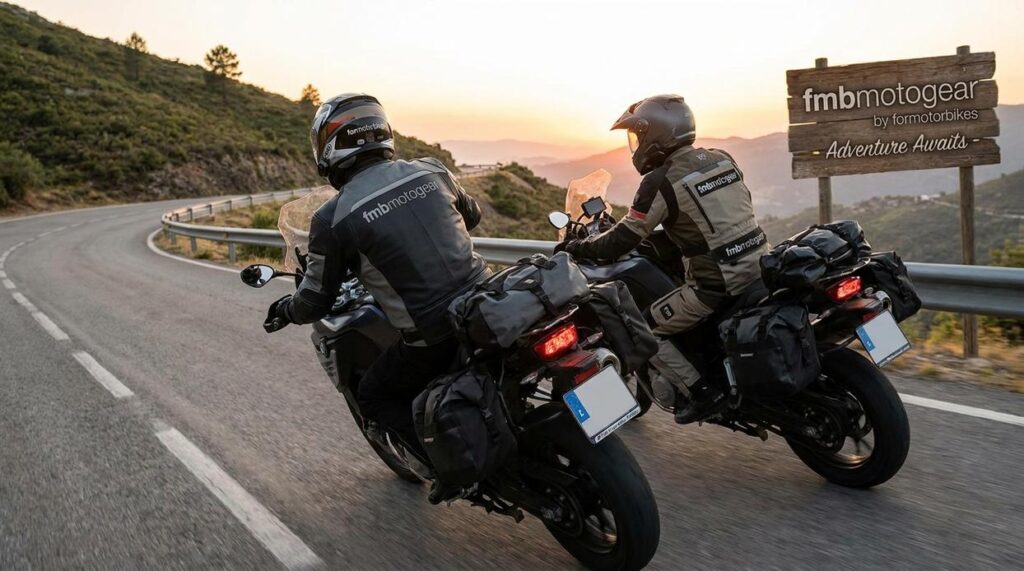
Here’s what I know: fmbmotogear motorcycle gear by formotorbikes was built to solve exactly this problem. Real protection that doesn’t cost like you’re sponsoring a MotoGP team.
I spent months reviewing every piece in the FMB lineup. Not just looking at spec sheets. Actually testing how this gear performs when you need it most.
This guide breaks down the full range of FMB Moto Gear. I’ll show you what makes each piece worth considering and how to pick the right setup for the way you ride.
We’ve gathered feedback from riders across different styles and conditions. We’ve examined the materials, tested the fit, and verified the safety certifications. That’s how I know what I’m sharing here actually holds up on the road.
You’ll learn what protection each piece offers, how the gear fits real riders, and which items make sense for your budget and riding needs.
No hype about being the best gear ever made. Just honest details about what you’re getting and whether it’s right for you.
The FMB Moto Gear Philosophy: Engineered for the Modern Rider
Most motorcycle gear companies will tell you to pick two out of three.
Safety. Style. Price.
You can’t have all three. That’s just how it works.
I call BS on that.
When I started fmbmotogear, I had one simple goal. Build gear that doesn’t make riders choose between staying safe and looking good. Or between protection and their budget.
Here’s what I believe. Every rider deserves multi-density armor and quality textiles. Not just the ones who can drop two grand on a jacket.
We build fmbmotogear motorcycle gear by formotorbikes based on what riders actually tell us they need. Not what we think they need from some office somewhere.
Real feedback from real people on real roads.
The three things we care about:
Safety first. CE-rated armor in critical zones. Abrasion-resistant materials that’ll hold up when it matters.
Function that works. Vents where you need airflow. Pockets that make sense. Fit that doesn’t restrict movement.
Design that doesn’t look dated. Clean lines. Contemporary cuts. Gear you’d actually want to wear off the bike.
Here’s my prediction. In the next few years, you’re going to see budget gear get way better. Riders won’t tolerate cheap protection anymore. They’ll demand premium features at fair prices.
We’re already there.
That’s the philosophy. Simple as that.
Head-to-Toe Protection: A Breakdown of the FMB Gear Collection
Let me break down what actually matters when you’re gearing up.
I see riders all the time who grab whatever looks cool or fits their budget. Then they hit the road without understanding what each piece of gear actually does.
Here’s the truth. Not all protection is created equal.
Helmets: Your First Line of Defense
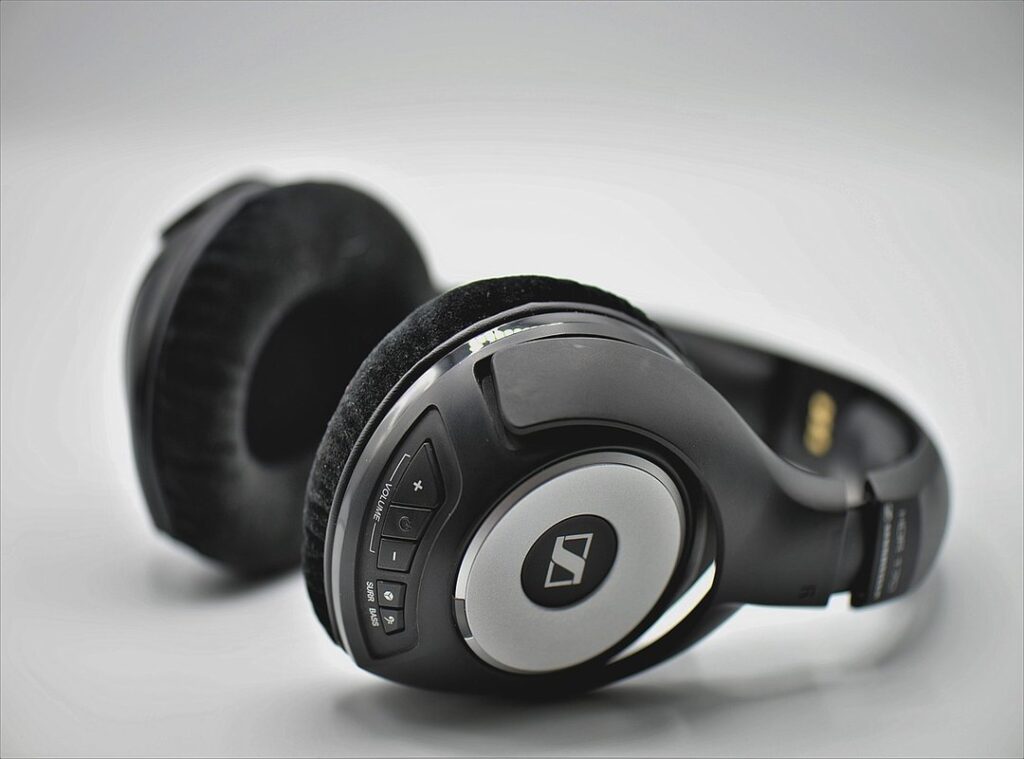
You’ve probably heard about DOT ratings. But ECE 22.06 is what I pay attention to now. It’s the newer European standard that tests helmets more thoroughly (including rotational impact, which is how most brain injuries happen).
Full-face helmets give you complete coverage. Your chin and jaw stay protected if you go down.
Modular helmets flip up when you need them to. Great for quick conversations at gas stops, but they’re heavier than standard full-face options.
Open-face helmets? They look good and feel free. But your face is exposed. I only recommend them for low-speed cruising.
The aerodynamic design isn’t just about looking sleek. It reduces neck strain at highway speeds and cuts down wind noise that’ll give you headaches on long rides.
Jackets & Vests: Your Core Armor
This is where abrasion resistance comes in. When you slide across pavement, regular fabric shreds in seconds. Materials like 600D Cordura (that’s 600 denier, which measures thread density) can handle the friction.
CE-rated armor sits in your elbows and shoulders. The CE rating means it passed impact tests. Level 1 is basic. Level 2 absorbs more force.
Some jackets come with thermal liners you can zip out. Waterproofing keeps you dry, but make sure it’s breathable or you’ll sweat through everything anyway.
Pants & Riding Jeans
Aramid fiber is the game changer here. It’s the same stuff they use in bulletproof vests (Kevlar is one brand you might recognize). Woven into denim, it gives you abrasion protection without looking like you’re wearing full race gear.
Knee armor needs to be flexible. Stiff armor that doesn’t move with you is armor you’ll leave at home.
The ergonomic fit matters more than you think. If your pants pull tight when you sit on the bike, you won’t wear them. Simple as that.
Gloves & Boots: Protecting Your Extremities
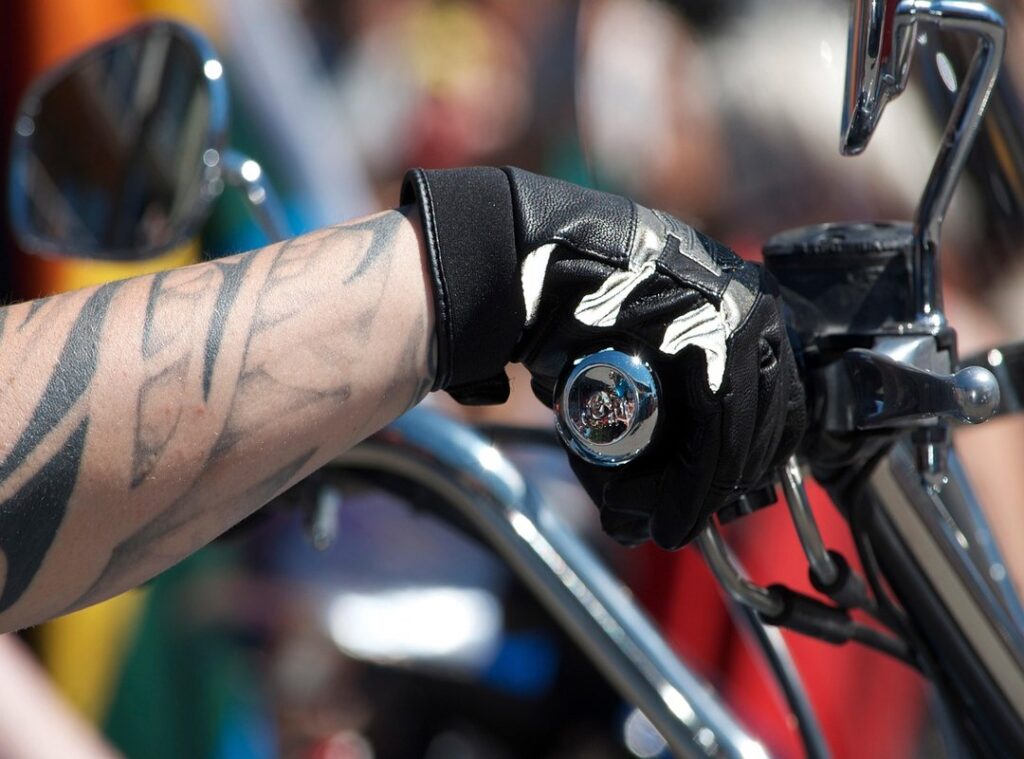
Your hands hit the ground first in most crashes. Reinforced knuckles take the initial impact. Scaphoid protection (that’s the small bone near your thumb) prevents one of the most common motorcycle injuries.
Boots need anti-slip soles so your feet don’t slide off pegs in wet conditions. Ankle support stops your foot from twisting if you have to put it down hard.
| Gear Type | Key Protection | What to Look For |
|———–|—————-|——————|
| Helmets | Head & brain | ECE 22.06 certification |
| Jackets | Torso & arms | 600D+ fabric, CE Level 2 armor |
| Pants | Hips & legs | Aramid lining, flexible knee armor |
| Gloves | Hands & wrists | Knuckle guards, scaphoid protection |
| Boots | Feet & ankles | Reinforced toe, ankle support |
When you’re looking at motorcycle gear fmbmotogear, start with what protects you in a crash. Then think about comfort and style.
Because the best gear is the gear you’ll actually wear every single ride.
Safety First: Understanding Our Commitment to Protection
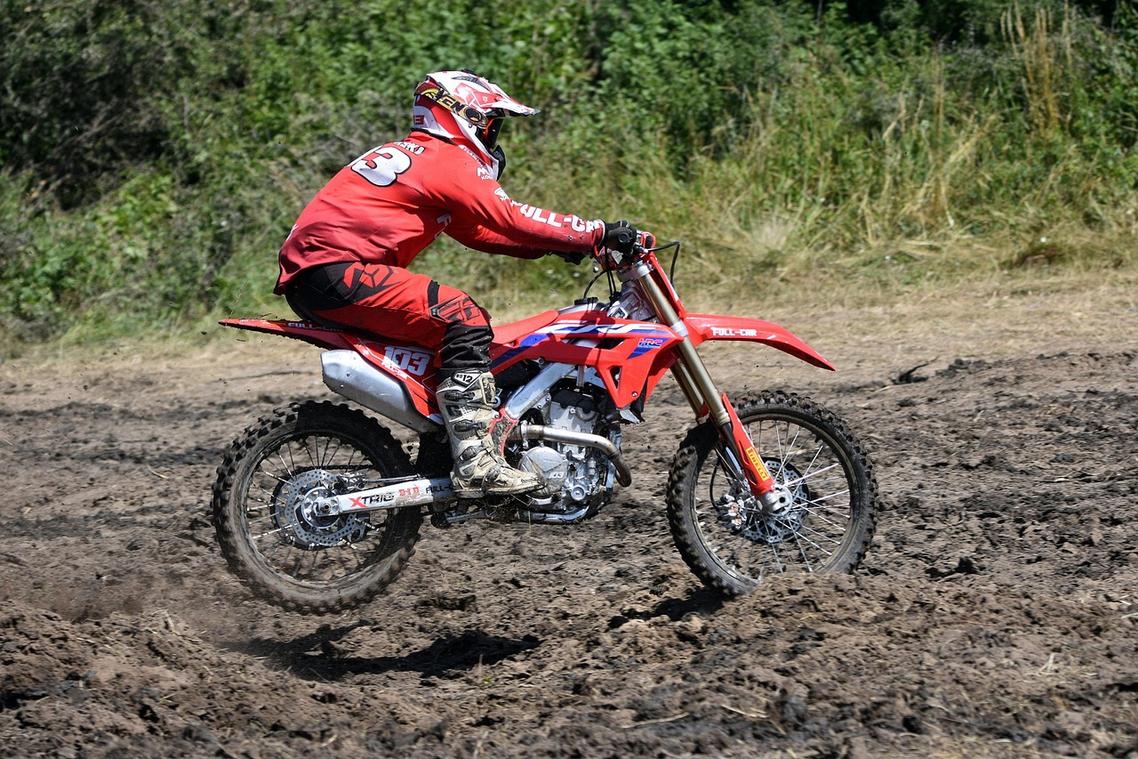
Most riders think CE ratings are just marketing speak.
I used to think the same thing until I went down at 45 mph wearing Level 1 armor. Then again a few years later in Level 2 gear (different story, same outcome of walking away mostly fine).
The difference? Noticeable.
CE Level 1 armor absorbs an average of 18 kilojoules of impact force. That’s the baseline. It’ll protect you in most street crashes.
CE Level 2 takes it further. It handles 24 kilojoules or more. You’ll find this in shoulders and elbows on premium fmbmotogear motorcycle gear by formotorbikes, where impact risk runs highest.
But here’s what nobody tells you about armor ratings.
They only matter if the gear actually stays on your body during a slide. That’s where material choice comes in.
We use high-tenacity textiles because they resist abrasion without turning into a stiff board you can’t move in. The weave matters as much as the thread count. I’ve seen cheap gear with decent armor that shredded in the first three feet of pavement contact.
Reflective elements aren’t sexy. I know. But I’ll take being seen over looking cool when some driver is scrolling through their phone at an intersection.
Here’s my prediction: within three years, you’ll see adaptive visibility tech become standard. Think materials that shift reflectivity based on ambient light conditions. The tech exists now but costs too much for mass production.
Until then? High-vis color options work.
And ergonomic design isn’t about comfort (though that’s nice). It’s about reducing fatigue so you stay sharp during hour four of your ride. Tired riders make mistakes. Mistakes get you hurt faster than any lack of armor.
That’s why motorbike gear is important. Not just for the crash you might have, but for the hundred crashes you avoid because you stayed alert.
Built to Last: Practical Maintenance for Your FMB Gear
You’ve got two choices when it comes to gear maintenance.
You can toss your jacket in the washing machine with regular detergent and hope for the best. Or you can spend five minutes doing it right and keep that waterproofing working for years.
I know which one saves you money.
Your Textile Gear
Most riders wreck their waterproof jackets by overwashing them. The membrane breaks down and suddenly you’re soaked on every ride.
Here’s what works. Spot clean when you can. When you need a full wash, use tech-specific detergent (not regular soap). Cold water only. Air dry.
Skip the dryer unless the care tag specifically says tumble dry low.
Helmet Care
A scratched visor at night? That’s how you miss seeing hazards.
Pull out the liner and hand wash it every few weeks. Let it dry completely before putting it back. For the visor, use microfiber cloths and warm water. Nothing else unless you’ve got bugs caked on (then a dedicated helmet cleaner helps).
Leather and Boots
Leather conditioner twice a season keeps your fmbmotogear motorcycle gear by formotorbikes components from cracking. Work it in with your fingers and let it soak overnight.
For boots, clean off road grime after every muddy ride. Condition the leather but keep products away from the soles where you need grip.
This isn’t about being precious with your stuff. It’s about making your investment last so you’re not buying new gear every year.
Ride with Confidence in FMB Moto Gear
You now know what FMB Moto Gear motorcycle gear by Formotorbikes brings to the table.
Finding gear that checks all the boxes is tough. You want protection that actually works. You want style that doesn’t look dated. And you need prices that make sense.
Most riders end up compromising on something.
FMB Moto Gear motorcycle gear by Formotorbikes fixes that problem. Every piece in the collection combines certified safety features with modern design. You get real protection without breaking the bank.
The gear works because it’s built around what riders actually need.
Don’t settle for gear that only does half the job. Check out the complete FMB Moto Gear motorcycle gear by Formotorbikes collection on Formotorbikes today and put together the setup that keeps you safe and looking good on every ride.
Your next adventure deserves better gear.
 Tracy W. is the founder of FMB Moto Gear, a platform dedicated to delivering informative coverage on motorcycles, rider equipment, and the evolving moto lifestyle. Passionate about road culture and vehicle innovation, Tracy created the platform to help riders stay informed about modern gear, safety practices, maintenance techniques, and industry trends.