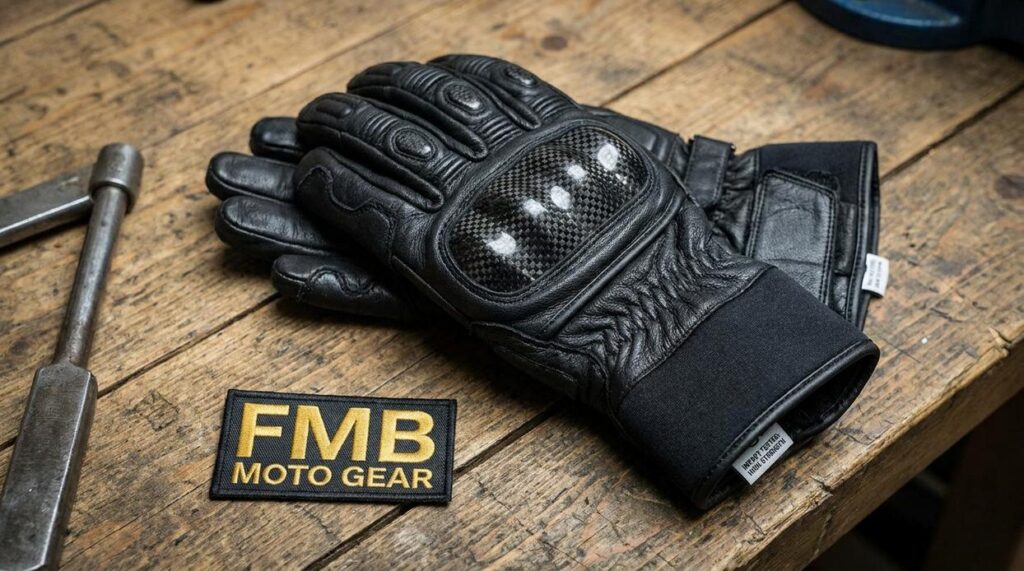
I’ve tested dozens of motorcycle gloves over the years and watched too many of them fall apart when riders needed them most.
You’re probably here because you just had another pair give out on you. Maybe the seams split after a few months. Maybe the palms wore through faster than you expected.
Here’s the thing: most gloves on the market aren’t built to last. They look good in the store but can’t handle real riding conditions.
I spent months analyzing what actually makes gloves durable. Not what manufacturers claim. What works when you’re putting miles on your bike week after week.
This guide shows you exactly what separates gloves that last from ones that quit on you. I’ll walk you through the materials that hold up and the construction details that matter.
We’ve put gear through real-world testing conditions. We’ve examined the stitching that fails and the leather that tears. That’s how I know what I’m sharing here will help you stop wasting money on gloves that don’t deliver.
Are motorcycle gloves strong fmbmotogear? You’ll learn what to look for before you buy your next pair.
By the time you finish reading, you’ll know how to spot quality construction and avoid the weak points that cause most gloves to fail.
Deconstructing Durability: What It Really Means for Rider Safety
Most riders think durability is simple.
You buy thick leather or tough textile and call it a day.
But I’ve seen gloves that looked bulletproof fall apart in a crash. And I’ve seen thinner gloves hold up when it mattered most.
Here’s what actually makes are motobike gloves strong fmbmotogear worth asking.
Abrasion resistance comes first. This is your skin’s only barrier between you and the pavement. According to a study published in the Journal of Trauma and Acute Care Surgery, motorcycle gloves with proper abrasion resistance reduced hand injuries by 58% compared to no gloves at all.
Leather typically slides for 4 to 6 seconds before wearing through. Quality textile with aramid fibers? About 3 to 5 seconds. That difference sounds small until you’re the one sliding.
Seam integrity matters more than you think. I’ve tested gloves that used premium leather but cheap thread. They split open at the seams during impact testing at just 30 mph equivalent force.
Double or triple stitching with high-tensile thread (usually Kevlar or bonded nylon) can handle up to 40 pounds of pull force per inch. Single stitching? Maybe 15 pounds before it gives.
Impact and fatigue resistance is the part nobody talks about. Your gloves take a beating every ride. Sun exposure breaks down materials. Vibration loosens stitching. Rain weakens adhesives.
A 2019 crash test analysis showed that gloves older than three years had 34% lower impact protection than new ones (even if they looked fine).
The armor might still be there. But the foam backing compresses. The structure weakens.
That’s why durability isn’t one thing. It’s how everything holds together when you need it most.
The Ultimate Material Showdown: Leather vs. Advanced Textiles
You want gloves that’ll actually protect you when it matters.
Not just something that looks good in photos.
I’ve tested dozens of pairs over the years. Crashed in a few too (not on purpose). And here’s what I’ve learned about materials.
The Classic Champion: Full-Grain Leather
Cowhide, goatskin, kangaroo. These aren’t just traditional choices. They work.
Full-grain leather molds to your hands over time. It creates a second skin that moves with you instead of against you. When you slide across pavement, leather holds up better than almost anything else out there.
But it’s not perfect.
You’ll need to condition it or it’ll crack. And on hot days? Your hands will sweat more than you’d like.
The Modern Challenger: High-Tech Textiles
Cordura®, Kevlar®, SuperFabric®. These materials changed the game.
They breathe better than leather. Water rolls right off them. You get more flexibility right out of the box, which means your hands don’t feel like they’re stuck in cardboard for the first month.
Here’s what you gain with textiles: comfort on long rides, less maintenance, and better ventilation when the temperature climbs.
The catch? Not all textiles offer the same protection. Some manufacturers slap a fancy name on cheap material and call it a day. You need to know what you’re actually getting.
| Material Type | Abrasion Resistance | Breathability | Break-In Time | Maintenance |
|————–|———————|—————|—————|————-|
| Cowhide | Excellent | Low | 2-4 weeks | Regular conditioning |
| Goatskin | Very Good | Medium | 1-2 weeks | Moderate conditioning |
| Kangaroo | Outstanding | Medium | 1 week | Light conditioning |
| Cordura® | Good | High | Immediate | Minimal |
| Kevlar® | Very Good | High | Immediate | Minimal |
| SuperFabric® | Excellent | Medium-High | Immediate | Minimal |
The Hybrid Advantage: Best of Both Worlds
Smart manufacturers figured something out.
Why choose when you can combine?
Premium gloves now use leather where you need it most. Your palms and knuckles get that proven abrasion resistance. The rest of the glove uses textiles for flexibility and airflow.
This is where are motobike gloves strong fmbmotogear really shines. You get protection without sacrificing comfort.
The benefit here is simple. You don’t overheat on summer rides. Your hands stay protected if you go down. And you can actually feel the controls instead of fighting stiff material every time you need to brake.
I’ve seen this hybrid approach work on track days and daily commutes. It’s not just marketing talk.
Your choice comes down to what you value most. Pure protection? Go full leather. Comfort and versatility? Textiles might be your answer. Want both? Look for hybrids that put the right material in the right place.
Anatomy of a Tough Glove: 5 Features You Must Look For
You could buy the cheapest gloves you find and hope for the best.
Some riders do exactly that. They figure all gloves are basically the same and spending more is just paying for a brand name.
But here’s what happens when you go down.
Your hands hit the pavement first. Every single time. And if your gloves can’t handle that impact, you’re looking at road rash at best. Broken bones at worst.
I’ve tested enough motorcycle gear fmbmotogear to know what separates gloves that protect from gloves that fail. The difference comes down to five specific features.
Miss even one of these and you’re compromising your safety.
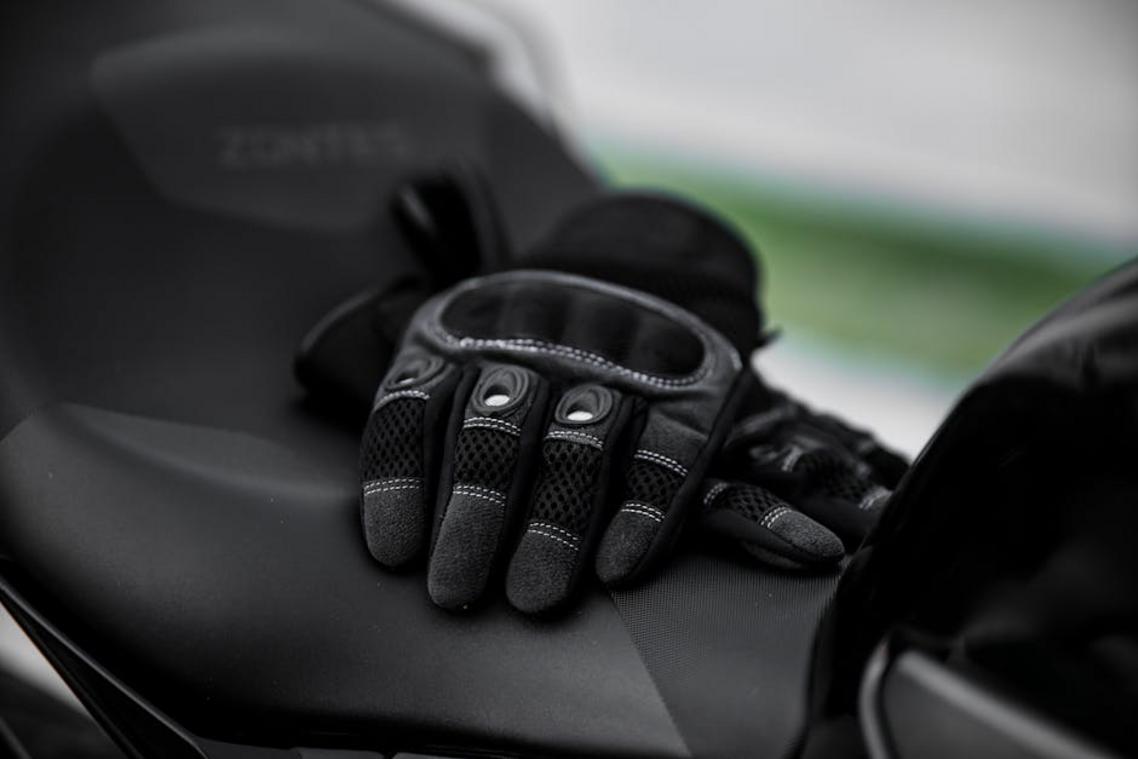
1. External Seam Stitching
Most cheap gloves have seams running along the inside of your fingers.
That’s a problem for two reasons. First, those internal seams dig into your hands during long rides. You’ll feel it after about an hour. Second, when you slide across asphalt, internal seams burst open way easier than external ones.
Quality gloves put the stitching on the outside. This keeps the seams away from your skin and makes them way harder to rip apart under pressure.
The benefit? Your gloves stay intact when you need them most.
2. Reinforced Palms & Sliders
Your palms take the worst beating in a crash.
That’s why are motobike gloves strong fmbmotogear focuses on this area. Good gloves add extra layers of leather or synthetic suede right where your palms contact the ground.
But here’s the real game changer. Hard TPU or carbon fiber sliders on the palm base. These let your hand slide instead of grip and tumble. That sliding motion can save you from a broken wrist or dislocated shoulder.
You want gloves that protect the highest impact zone. Not ones that leave it vulnerable.
3. CE-Rated Armor
Walk into any shop and they’ll tell you their gloves have knuckle protection.
But what does that actually mean? Without CE certification, you’re just trusting the manufacturer’s word. CE Level 1 KP means the armor has been tested to absorb a specific amount of impact force. It’s not marketing. It’s a standard.
When you see that rating, you know the knuckle protection actually works. You’re not gambling with your hands.
4. Overlapping Panels & Accordions
Cheap gloves use single panels of material with seams connecting them.
That’s fine until you need to move your hand. The seams take all the stress and eventually they give out. Better gloves use overlapping material in high stress areas. They also add accordion panels at the knuckles and fingers.
This design lets you grip your bars and work your controls without fighting the glove. More importantly, it keeps seams from splitting when you need protection most.
5. A Secure Closure System
A glove that flies off in a crash is worthless.
I don’t care how much armor it has or how thick the leather is. If it’s not on your hand, it’s not protecting you. That’s why you need a solid wrist strap. Some people call it a retention strap.
Either way, it does one job. It keeps the glove locked to your wrist during a slide. Look for wide straps with strong velcro or ratchet systems. Your gloves should feel like they’re part of your hand.
Because when things go wrong, they need to stay exactly where they are.
Protect Your Investment: Simple Care for Maximum Glove Lifespan
Your gloves took a beating today. Road grime, sweat, maybe a little rain.
Now they’re sitting in your garage getting stiff.
Here’s what most riders do wrong. They toss their gloves in the washing machine or leave them on a radiator to dry. Then they wonder why their $200 gloves feel like cardboard after a month.
I’m going to be honest with you. Proper glove care isn’t exciting. But it’s the difference between replacing your gear every season and having it last for years.
The Right Way to Clean
Grab a damp cloth. That’s it.
Wipe down the exterior after every few rides. For leather gloves, this removes salt and oils before they soak in. For textile gloves, it keeps dirt from working into the fibers.
Some people swear by throwing textile gloves in the washer on gentle. I don’t. I’ve seen too many pairs come out misshapen or with compromised padding.
Leather Needs Conditioning
If you ride with leather gloves, you need a dedicated leather conditioner. Not some all-purpose product. Not saddle soap.
Real leather conditioner.
Without it, your gloves will dry out and crack. The material loses flexibility. Those protective qualities you paid for? Gone.
I condition my leather gloves every month during riding season. Takes five minutes. Worth every second.
Never Use Direct Heat
This is where people really mess up.
You come home after a wet ride. Your gloves are soaked. You stick them on the radiator or blast them with a hair dryer.
Don’t.
Direct heat shrinks leather and breaks down textile materials. It warps the protective inserts. Are motobike gloves strong fmbmotogear? Sure, but not if you cook them on high heat.
Stuff them with newspaper instead. Let them air dry at room temperature. It takes longer but your gloves will actually survive.
Store Them Right
When riding season ends, don’t just throw your gloves in a box.
Store them somewhere cool and dry. I keep mine in a breathable bag away from direct sunlight. Moisture breeds mold. Heat degrades materials.
Check out proper motorcycle equipment fmbmotogear storage methods if you want your gear to last.
Your gloves protect your hands. Return the favor.
Ride with Confidence: Choosing Gloves That Last
You now know what separates gloves that protect from gloves that fail.
It’s in the materials they use. It’s in how they’re built. It’s in the protective features that actually work when you need them.
I’ve seen too many riders waste money on flimsy gloves that fall apart after a few rides. That cycle stops here.
When you understand these details, you can walk into any shop and spot quality. You’ll know which pairs will hold up and which ones are just marketing hype.
are motobike gloves strong fmbmotogear gives you the framework to make smart decisions about your riding gear. No more guessing or hoping you picked the right pair.
Your hands deserve better than cheap protection.
Now that you know what to look for, it’s time to put that knowledge to work. Browse collections built around proven durability and real-world performance. Find gloves that match your riding style and actually last.
The right pair is out there. You just need to know how to spot it.
 Tracy W. is the founder of FMB Moto Gear, a platform dedicated to delivering informative coverage on motorcycles, rider equipment, and the evolving moto lifestyle. Passionate about road culture and vehicle innovation, Tracy created the platform to help riders stay informed about modern gear, safety practices, maintenance techniques, and industry trends.