
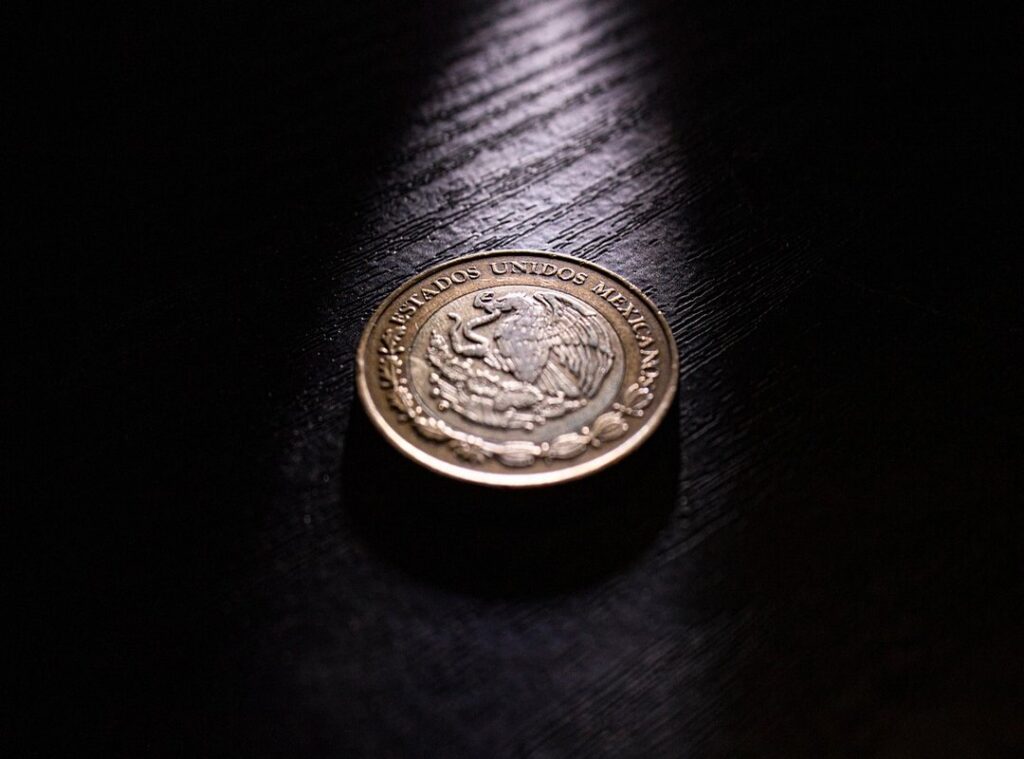
You want to know what 1200 pesos mexicanos a peso chileno is really worth today. It’s about [insert current conversion rate here]. But remember, this number is just a snapshot in time.
Exchange rates can change daily, even hourly.
The mid-market rate is the one you’ll see on Google or XE.com. It’s the rate banks and financial institutions use. This is the figure you should aim for when making your exchange.
In the rest of this article, I’ll show you how to get as close to this rate as possible and avoid those pesky hidden fees. Trust me, it’s worth knowing.
Understanding the MXN to CLP Exchange Rate: A Quick Guide
An exchange rate is the price of one currency in terms of another. Simple, right?
The MXN/CLP rate can change based on a few key factors. Economic health, interest rates in Mexico and Chile, and commodity prices like copper for Chile all play a role.
Economic conditions are always shifting. Back in 2019, when global markets were more stable, the rate was less volatile. Now, with more uncertainty, it can swing pretty wildly.
The critical difference between the ‘mid-market rate’ and the ‘tourist rate’ or ‘buy/sell rate’ is important. The mid-market rate is the official rate, while the tourist rate is what consumers actually get.
Think of it like this: If the mid-market rate is the wholesale price, the tourist rate is the retail price. There’s a markup, and that’s where the exchange services make their profit.
Let’s say the mid-market rate is 1200 pesos mexicanos a peso chileno. A bank might offer you 1200 minus 3%, while an airport kiosk might offer 1200 minus 7%.
Understanding these spreads can save you money. It’s worth checking a few different places before you exchange your cash.
The Best (and Worst) Places to Exchange Your Currency
When it comes to exchanging your currency, you’ve got a few options. Each has its pros and cons, so let’s break them down.
Banks
Banks are generally safe and reliable, and you know what you’re getting. But they often have less competitive rates and limited hours.
It’s like going to a well-known restaurant; the food is good, but you might pay more for the name.
Airport Currency Kiosks
Airport kiosks are extremely convenient. You can exchange your money right before or after your flight. However, almost always, they have the worst exchange rates and the highest fees.
It’s a bit like buying a bottle of water at a concert—convenient, but you’re paying a premium.
Local Exchange Houses (‘Casas de Cambio’)
Local exchange houses, or ‘casas de cambio,’ can offer competitive rates, especially in city centers. They’re like hidden gems, but you need to do some research to find a reputable one. Make sure to check reviews and ask locals for recommendations. 1200 pesos mexicanos a peso chileno
ATMs in Chile
ATMs in Chile are convenient and often provide a good rate from the bank. But watch out for high international withdrawal fees from your home bank and local ATM fees. It’s like using a vending machine; it’s easy, but you might end up with a few extra charges.
Online Currency Services/Fintech Apps
Online services like Wise and Revolut typically offer rates very close to the mid-market rate. The catch? You need to set up an account in advance.
It’s like having a subscription service; once you’re in, it’s smooth sailing, but there’s a bit of setup involved.
Pro Tip: Plan Ahead
If you’re traveling to Chile and need to convert 1200 pesos mexicanos a peso chileno, plan ahead. Check the rates and fees for each option. For instance, if you use an online service, you can lock in a good rate and avoid the last-minute rush at the airport.
By understanding these options, you can make a more informed decision and save some money. After all, every little bit counts when you’re on the road.
Three Costly Mistakes to Avoid When Converting Pesos
Converting currency can be a headache, and trust me, I’ve been there.
Mistake #1: Accepting ‘Dynamic Currency Conversion’ (DCC). This is when an ATM or card machine offers to convert the transaction to your home currency (MXN) on the spot. Always decline this and choose to be charged in the local currency (CLP).
Your bank will give you a better rate.
Why? Because DCC rates are often inflated, and you end up paying more than you should. It’s a sneaky way for banks to make extra money off you.
Mistake #2: Exchanging too much cash at once. It’s tempting to exchange all your pesos at once, but it’s a bad idea. Only exchange what you need for a few days.
If you end up with leftover CLP, you’ll have to convert them back to MXN, losing money twice on the spread. It’s like getting hit with fees coming and going. No thanks.
Mistake #3: Not informing your bank about your travel plans. This one is a real pain. If you don’t tell your bank you’re traveling, they might freeze your card for suspected fraud.
Suddenly, you’re stuck without access to your funds.
Pro tip: Before exchanging, ask, “If I give you 1200 pesos mexicanos a peso chileno, how many CLP will I get in my hand?” This forces them to disclose the final amount after all fees and commissions. You’ll know exactly what you’re getting.
Avoid these mistakes, and you’ll save yourself a lot of frustration and money.
Your Quick Checklist for a Smart Currency Exchange
- Always check the current mid-market rate online before you exchange.
- Avoid airport kiosks for large amounts; use a local ATM or reputable ‘casa de cambio’ instead.
- When using a card, always choose to pay in the local currency (CLP).
- Notify your bank before you travel to ensure your cards work smoothly.
- Remember, 1200 pesos mexicanos a peso chileno can vary, so check the latest rates.
 Caroline C. contributes engaging content to FMB Moto Gear with a focus on motorcycle maintenance, vehicle lifestyle trends, and riding culture. Passionate about helping riders better understand their machines, she creates accessible content that simplifies technical topics and encourages smarter bike care.