Riding a motorcycle is a thrill like no other. But let’s be real: it comes with risks that many riders ignore.
I’ve seen too many people, both newbies and veterans, underestimate the importance of safety. Skipping basic riding safety measures can lead to serious accidents. I’m here to share what I’ve learned from years on the road.
You need to know what really keeps you safe. This guide has practical advice based on real-world experiences and challenges that riders face.
I promise to provide you with a roadmap for riding accident prevention. You’ll get actionable tips that go beyond the basics.
By the end of this article, you’ll feel more confident and in control every time you hit the road.
Let’s dive into how to make your rides safer and more enjoyable. Trust me, you won’t want to miss this.
The Foundation of Safety: Pre-Ride Checks & Bike Readiness
Skipping pre-ride checks? Bad idea. You might think it’s just another chore, but it’s your first line of defense against mechanical failures.
Trust me, I’ve seen too many riders sidelined by avoidable issues. The T-CLOCS inspection is your friend here (Tires, Controls, Lights & Electrics, Oil & Fluids, Chassis & Chain, Stands). Each category is key.
Tires? Check pressure and tread. Controls?
Make sure brakes work. Lights and electrics? They better shine bright.
Oil and fluids? Keep them topped up. Chassis and chain?
Look for wear. Stands should be stable. Simple enough, right?
Routine checks aren’t just for peace of mind. They prevent riding accidents. A well-maintained bike is a safer bike.
Professional maintenance isn’t optional; it’s important.
Want to dive deeper into safety? Learn more about protective gear in this guide. It’s not just about the bike; it’s about you.
So, what’s stopping you from doing a quick check? It takes minutes but can save you from hours of trouble. Don’t underestimate the power of preparation.
Important Gear: Your Uncompromised First Line of Defense
Minimal gear? Forget it. Riding without proper protection is like playing Russian roulette with your life.
The “all the gear, all the time” (ATGATT) philosophy isn’t just a catchy phrase. It’s a key safety system.
Let’s talk helmets. A full-face helmet is non-negotiable. Why?
Maximum protection. Safety ratings like DOT, ECE, and Snell aren’t just labels. They’re lifesavers.
And a snug fit? Key. If it feels loose, you’re not protected.
Now, jackets and pants. Leather or advanced textiles? Both are excellent for abrasion resistance.
But don’t stop there. Look for CE-rated armor in key impact zones. Shoulders, elbows, back, knees, hips.
These areas need reinforcement.
Gloves and boots? Don’t skimp. Sturdy, full-fingered gloves with knuckle protection are important.
Ankle-height, reinforced boots protect against impact and abrasion. Ever seen what happens to unprotected feet in a crash? It’s not pretty.
Riding accident prevention isn’t just about skill. It’s about gear. Gear that acts as your first line of defense, every single ride.
Whether you’re going around the block or across the country, proper gear keeps you safe. Don’t compromise. Your life is worth more than that.
Mastering Road Awareness & Proactive Defensive Riding
Riding on the open road is exhilarating, but let’s be real: it’s a jungle out there. Riding accident prevention starts with understanding your vulnerability. You’re not invincible. Other road users often don’t see you.
That’s why defensive riding is your best friend. It’s about more than just staying safe. It’s about owning the road.
Situational awareness is key. You need to scan the road like a hawk. Identify threats before they become problems.
Lane positioning matters. It’s not just about where you are; it’s about where you could go. Maximize your visibility and create escape routes.
Predict what other drivers might do (or won’t do). Trust me, it saves lives.
Especially at intersections and in heavy traffic. It’s like playing chess (always) think two moves ahead.
Visibility can’t be overstated. Wear bright colors. Use your high beam during the day, if it’s legal.
And for goodness’ sake, use your turn signals. Make sure they see you before they hit you.
Keep a safe distance. It’s not just about avoiding collisions; it’s about giving yourself time to react. Practice emergency maneuvers in a safe space.
Quick stops and swerves should be second nature. Riding is not just about freedom (it’s) a skill.
Speaking of safety, if you’re interested in different scenarios, horseback riding safety and injury prevention offers some interesting parallels. Stay safe out there.
Advanced Skill Development: Ride Smart, Stay Safe
Getting your license isn’t the end of the road. It’s just the start. Many think that once they’re licensed, their rider education is complete.
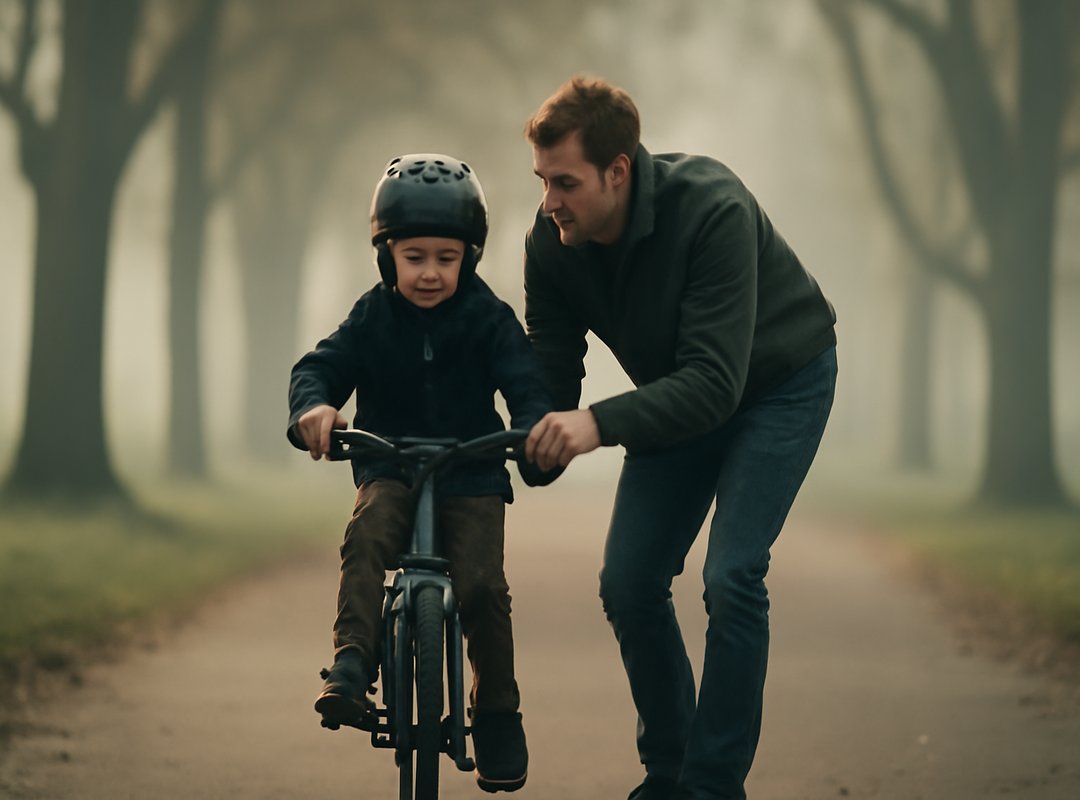
I say that’s a mistake. Continuous skill refinement is a core riding accident prevention measure. It’s not just about staying safe (it’s) about riding with confidence.
Advanced rider training courses offer real benefits. Programs like the Motorcycle Safety Foundation courses or state-specific ones boost your riding skills. You’ll master precision cornering, emergency braking techniques, and obstacle avoidance.
Don’t forget slow-speed maneuvers. These are the building blocks of control.
Riding isn’t just physical; it’s mental too. Managing fatigue is key. Avoid complacency by staying sharp and disciplined in your risk assessment.
You can’t afford to zone out on the road.
Want to practice safely? Find an empty parking lot. Set up cones and push your limits bit by bit.
But be smart about it. Don’t go overboard. And by the way, knowing some important first aid riders might save a life, maybe even yours.
Riding Smart: Tackling Environmental Challenges
Riding is liberating, but let’s not kid ourselves. External conditions matter a lot. They can make the difference between a smooth ride and a sketchy one.
When it rains, traction goes out the window. You’re not Aquaman, so slow down. Keep your inputs smooth, and increase that following distance.
Hydroplaning is not a myth (it’s a nightmare).
Wind, on the other hand, is like a slap from nature. It messes with steering and stability. Lean into the gusts, and adjust your body position.
Anticipate that next rogue wind blast.
Extreme temperatures? They’re tricky devils. Heat can drain you faster than an all-day Netflix binge.
Cold ain’t much better. Gear up appropriately and take breaks to avoid fatigue or frostbite.
Don’t even get me started on road hazards. Potholes, gravel, oil slicks, and railway crossings are just waiting to catch you off guard. Keep scanning the road like your life depends on it (it does).
Night riding demands extra vigilance. Depth perception takes a hit, and critters come out to play. Use your lights wisely.
Stay proactive. Riding accident prevention isn’t just about skill; it’s about staying one step ahead.
Keep Riding Safe and Smart
I covered all the bases on how to ride safely. You now know that riding gives you freedom, but it also requires respect for its risks.
The solutions I shared. Proactive preparation, uncompromising gear, skill development, and awareness (are) proven ways to reduce accidents.
Safety is an ongoing journey. It demands your constant commitment and vigilance.
Are you ready to take the next step? Start implementing these safety measures today. Prioritize your well-being on every ride.
Embrace the responsibility that comes with being on the open road.
Don’t wait until it’s too late. Take action now for riding accident prevention. Your safety is worth it.
Make that call or check your gear. Let’s keep riding safe and smart.
 Fenrithia Hearthmoor is a contributor at FMB Moto Gear who specializes in motorcycle gear reviews, rider protection, and touring essentials. With a strong appreciation for functional and dependable riding equipment, she creates informative articles designed to help readers choose gear that improves both comfort and safety on the road.