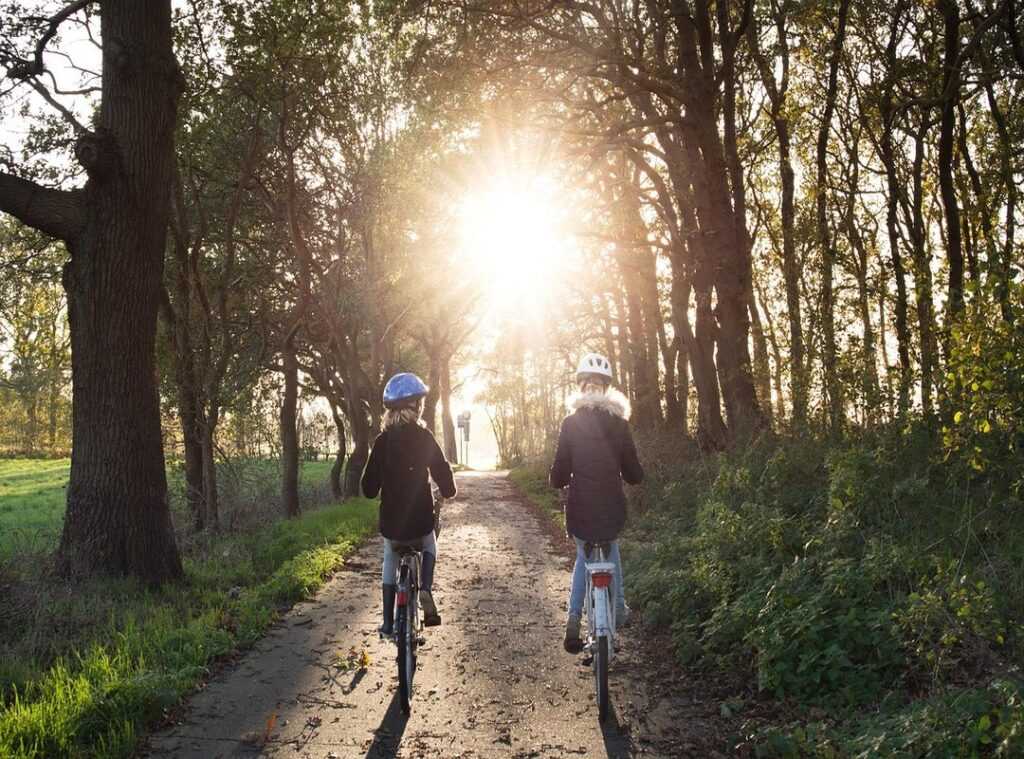
Riding at night can be thrilling, but it comes with its own set of dangers. How do you make sure you see and are seen? That’s where night riding visibility becomes key.
I’ve been there, cruising under the stars, only to realize I’m practically invisible to others. It’s not just about the thrill; it’s about safety. You can’t afford to overlook how important it is to stand out in the dark.
In this article, I’ll share practical tips on enhancing your visibility at night. We’ll cover gear options that really work and techniques that make a difference.
Trust me, I’ve done the research and consulted experts to bring you solid advice. You’ll learn not just what to wear, but how to ride smart.
After reading, you’ll feel more secure taking those night rides. Let’s dive into how to stay safe while enjoying the freedom of the open road.
Explain Your Path: Important Lighting for Night Rides
Night riding visibility isn’t just about seeing where you’re going. It’s also about making sure others see you. You need both.
Trust me on this. I’ve learned the hard way.
For front lights, lumens matter. Urban rides? You want 600-800 lumens.
But if you’re hitting those unlit paths, go for 1000+. Beam patterns? Go wide for city streets and focused for trails.
Mount your light on the handlebar or helmet; each has perks.
Rear lights are just as key. Brightness is key, and flash patterns can save your skin. Use a steady light in busy areas (it’s less annoying), but go for flashing in low-traffic zones.
Mount it on the seatpost, rack, or even your helmet.
Then there’s supplementary lighting. Spoke and wheel lights give you that 360-degree visibility. Especially useful at intersections where cars don’t always look.
Battery life is often overlooked until you’re stuck in the dark. Charge regularly and carry backup power if you’re planning a long ride. Don’t skimp here; it’s your safety on the line.
Oh, and speaking of safety, knowing motorcycle insurance basics isn’t a bad idea either. It’s all about being prepared, right?
Beyond Lights: Reflective Gear for Riders
You think bright lights are enough for night riding visibility? Think again. They’re key, but reflective gear is like your secret weapon.
It catches the ambient light from cars, making you visible even if you’re not in their headlights. Reflective clothing is a must. Jackets, vests, armbands, and leg bands are your first line of defense. Go for neon yellow or orange.
Trust me, they pop against dark backgrounds.
Let’s talk about your gear. Reflective accents on shoes, gloves, helmets, and backpacks can make a huge difference. You need gear with these elements integrated.
Reflective tires and frame tape are game changers too. As your wheels turn, they create changing visibility. It’s like having a light show on your bike.
Strategic placement matters. Ever thought about how you look from the side? Most drivers see you from this angle.
Place reflective items where they can catch light from every direction. Side-on visibility is often overlooked, but it’s key for safety.
Want more tips? Check out 9 ways to be more visible for more takeaways. Remember, you can never be too visible on the road.
Riding at night should be thrilling, not dangerous. Your gear choices can make all the difference.
Strategic Riding: Navigating the Night with Awareness
Riding at night can be a real challenge. Depth perception tanks, and reaction times? Not great.
But we can work with this.
First up, route planning. Stick to well-lit, familiar routes. You don’t want to end up in some unlit park or industrial zone.
Trust me, shortcuts aren’t worth the risk.
Defensive riding is key. Keep extra distance from vehicles and always anticipate what drivers might do next. If you can, make eye contact.
It can be a lifesaver.
Then there’s road hazard awareness. Potholes, debris, wet leaves (they’re) all a menace. At night, they’re even harder to spot.
Slow down and keep your eyes peeled. Scan the road like you’re searching for hidden treasure.
Signaling is another must. Use hand signals well in advance for turns and stops. Reflective gloves can add that extra bit of visibility.
Riding in Groups
Riding in groups at night? It’s all about communication and formation. Try staggered formations to keep things clear.
Talk to each other, even if it feels like overkill. Better safe than sorry.
Does night riding visibility still sound daunting? It doesn’t have to be. With a little planning and awareness, you can ride safely.
Night riding is a different beast, but it’s manageable. Just stay sharp, be aware, and don’t take unnecessary risks. This isn’t just about getting from A to B.
It’s about getting there in one piece.
Your Nighttime Safety Toolkit: Pre-Ride Essentials
Night riding is a thrill. But let’s not kid ourselves. Night riding visibility can be sketchy if you’re not prepared.
Before you even think about hitting the road, a pre-ride check is non-negotiable. Your brakes need to work flawlessly. If your tires have bald spots, you’re asking for trouble.
Keep them properly inflated. Trust me, nothing ruins a ride like a flat. And that chain better be lubricated.
If it squeaks, fix it.
Now, let’s talk eyewear. Clear or yellow-tinted glasses are a game-changer. They boost contrast and keep the wind and debris out of your eyes.
Dark lenses at night? That’s just asking for a wipeout.
Your helmet isn’t just for style points (though, yes, it looks cool). Check that it’s fitting correctly and isn’t damaged. Those with reflective strips or built-in lights are worth considering.
See and be seen, right?
Tools matter too. A patch kit, spare tube, mini-pump, and multi-tool can be lifesavers when you’re miles from help. Night fixes aren’t fun, but they’re better than waiting for help that might never come.
And don’t forget a fully charged phone for emergencies.
Lastly, a small first-aid kit can handle minor scrapes. You never know when you’ll need to patch up. Stay prepared, stay safe.
Enjoy the ride.
Night Riding: Visibility and Survival
Night riding can be a real beast. You need to tackle weather head-on. Rain?
Watch out for reduced traction. Fog? You’ll need stronger lights because visibility drops to zero.
Oh, and if a light fails mid-ride, have a backup plan. Signal for help if needed. Always tell someone your route.
And let’s not forget the dance with cars. Navigating intersections or making those dreaded left turns? Keep your eyes on the right edge to dodge blinding headlights.
For longer rides, a pre ride safety checklist can be a lifesaver. Night riding visibility is no joke. Stay safe.
Ride the Night with Confidence
You know the dangers of cycling at night. The risks of reduced visibility can be serious. But I’ve shown you how to tackle this head-on.
By following practical advice on lighting, visibility, and pre-ride checks, you can mitigate those risks. Proactive preparation and smart gear choices work.
Don’t let fear hold you back. It’s time to set up these tips today. Review your gear and make sure it’s up to par.
Have your own safety hacks? Share them.
Night riding visibility is key. So gear up, light up, and ride confidently. You’ve taken the steps to make your nighttime journeys secure but enjoyable. Now hit the road and embrace the ride. Your safety is worth it.
 Arynsera Quill is the founder of FMB Moto Gear, a platform dedicated to delivering informative coverage on motorcycles, rider equipment, and the evolving moto lifestyle. Passionate about road culture and vehicle innovation, Arynsera created the platform to help riders stay informed about modern gear, safety practices, maintenance techniques, and industry trends.