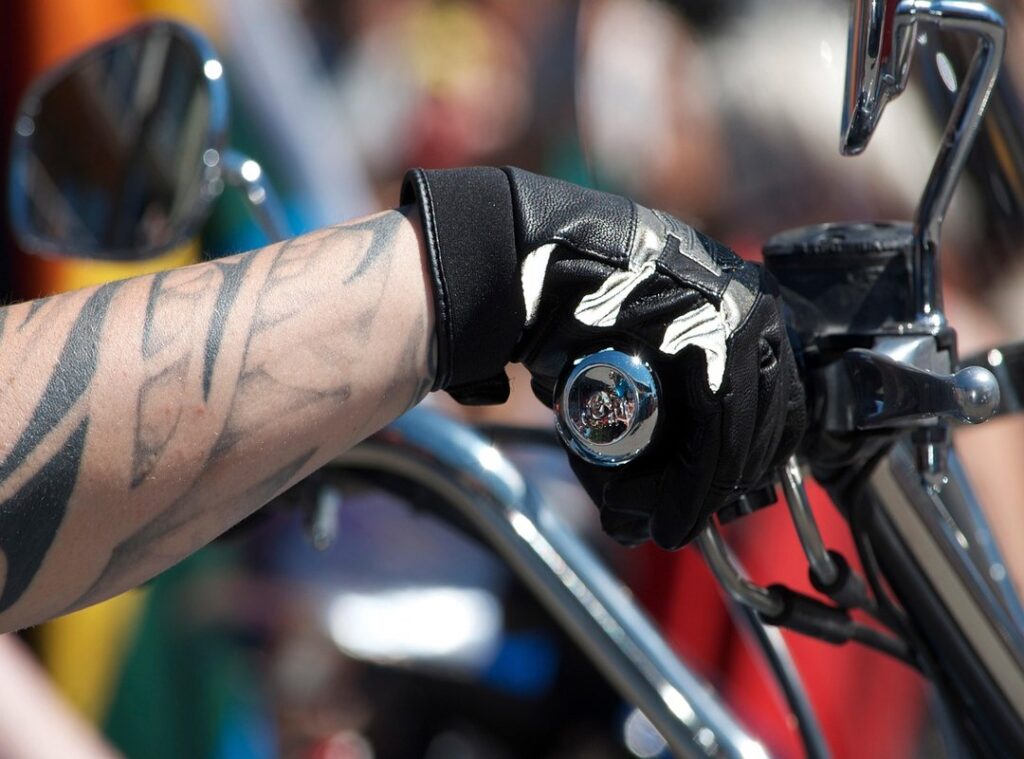

Getting soaked during a ride is frustrating. We’ve all been there, feeling uncomfortable and wishing we’d chosen better gear.
Choosing the right water-resistant jacket can be a maze. With so many options and technical jargon, it’s easy to get lost.
But you shouldn’t settle for less. I’ve tested various jackets in real-world conditions. I know what works and what doesn’t.
This guide will take you through the process of evaluating jackets. I’ll break down those complex features into simple takeaways. You’ll get practical steps to make an informed choice.
Trust me, it’s all based on my hands-on experience with gear performance.
You won’t have to guess anymore. After reading this, you’ll feel confident in selecting a jacket that keeps you dry and comfortable on your next ride.
Let’s dive into the details of this waterproof jackets review. You’ll be glad you did.
Water-Resistant vs. Waterproof: A Rider’s Dilemma
Let’s start with water-resistant. This means it can handle a bit of rain, but don’t expect miracles. It’s about slowing down water penetration, often relying on a DWR (Durable Water Repellent) coating.
Think of this as wearing a light jacket in a drizzle. You’re fine for a bit, but get indoors fast or you’re soaked.
Now, waterproof. This is the real deal. No water getting through, thanks to membranes and sealed seams.
It’s like a fortress against rain. When you’re caught in torrential downpours on your bike, you need waterproof gear. Otherwise, you’re looking at a soggy, uncomfortable ride.
DWR coatings are key. They keep water beading off the fabric. But they’re not foolproof.
Over time, they weaken, and you’ll need to reapply (not a huge hassle, just necessary).
Picture this: riding through a misty morning. Water-resistant gear handles it. But in a storm?
You better have that waterproof jacket ready. If you’re diving into a waterproof jackets review, remember: there’s a world of difference between resisting and proofing. Choose wisely.
Beyond Just the Fabric: Real-World Jacket Protection
Sealed seams are the unsung heroes of waterproof jackets. You might have waterproof fabric, but without sealed seams, water will find a way through those pesky needle holes. Trust me, nobody wants to be soaked inside what was supposed to be “waterproof.”
Zippers matter, too. YKK AquaGuard zippers are the gold standard, and for good reason. They keep water out like a pro.
But don’t just stop at the zipper itself. Look for jackets with storm flaps for extra protection. It’s like a suit of armor for your zipper.
Cuffs and collars? They need to be snug and adjustable. If water can sneak down your arms or neck, you’re in for a bad time.
A good design doesn’t just look cool; it keeps you dry where it counts.
And let’s talk closures. Multi-layer systems (like a zipper with a Velcro storm flap) offer maximum protection. You want layers here, not just for warmth but to keep water at bay.
Ventilation and breathability can’t be ignored either. It doesn’t matter if you’re dry from the rain if you’re sweating buckets inside.
Lastly, pocket placement and closures are practical details often overlooked. They need to be water-resistant or have protective flaps.
For more on staying dry, our top helmets 2023 review gives some solid takeaways too.
Materials Decoded: Fabrics to Membranes
When it comes to waterproof jackets, it’s all about the fabric. Coated fabrics like nylon or polyester with a PU/PVC coating are common. They do a decent job at keeping water out, but don’t expect miracles.
You might stay dry, but you’ll sweat like you’re in a sauna.
Now, advanced membrane technologies like Gore-Tex or eVent? They’re a game changer. These membranes block liquid water but let water vapor escape.
So you can breathe easy without feeling like you’re wrapped in plastic. But, there’s a trade-off.
More breathability sometimes means less durability. And let’s not ignore the cost. These modern materials aren’t cheap.
It’s a balancing act between breathability, durability, weight, and cost.
A jacket’s outer fabric, inner membrane, and DWR (durable water repellent) coating all work together to keep you dry. But how do you know you’re buying quality?
Here’s a pro tip: trust your senses. A good fabric feels smooth, not plasticky. It looks well-made, not flimsy.
In any waterproof jackets review, consider these factors. Remember, not all jackets are created equal. Choose wisely and you’ll stay dry without sacrificing comfort.
Testing Your Jacket: A Personal Evaluation Toolkit
So, you’re diving into a waterproof jackets review and want to know what really matters? First, inspect the stitching. Uneven lines scream poor quality.
Zippers are another must-check. I mean, they should be sturdy, not frail and flimsy. Run your fingers along the seams.
You want to feel taping or welding, especially on the shoulders and arms.
Ever tried the spray bottle test? Lightly spray water on the seams and zippers. If it beads up, you’ve got quality.
If not, well, you know what to do (move on). Fit and mobility matter too. Throw it on, get in a riding position, and see if it restricts movement.
Can you turn your head without feeling like a robot?
And those product specs? Don’t let them baffle you. Hydrostatic head ratings sound fancy but focus on the basics.
Higher numbers mean better waterproofing. When you’re reading reviews, keep an eye out for patterns. Consistent feedback on durability and performance in wet conditions is key.
Lastly, if you’re looking for a broader comparison, check out the best hiking rain jackets 2026: tested. It’s a great resource for seeing how your jacket stacks up. Happy testing!
Keep Your Jacket Going: Care Tips for Longevity
Investing in a water-resistant jacket is smart. But what’s the point if you don’t take care of it? The key to keeping it in top shape is proper care, especially for the DWR coating and membrane integrity.
Simple steps make a difference. Use mild detergents or technical washes. Skip the fabric softeners (they’re the enemy here).
Now, let’s talk DWR. Heat activation is your friend. Toss your jacket in the tumble dryer, or go for spray-on or wash-in treatments.
Easy, right? And don’t forget about how you store it. Always make sure it’s dry before hanging it (none) of that prolonged compression nonsense.
Watch for signs like “wetting out.” That’s when the fabric’s outer layer starts soaking up water, hinting it’s time for some maintenance. It doesn’t take much to keep these jackets effective. Regular, simple upkeep can save you cash and keep you dry.
By the way, while you’re updating your gear, check out our bluetooth intercom systems review.
Keeping your jacket in shape isn’t just about extending its life. It’s about keeping you protected and getting the most from your investment.
Make Your Next Jacket Choice Count
You now have the tools to evaluate waterproof jackets confidently. No one wants to be soaked and uncomfortable on a ride. By understanding the key features and materials, you can choose wisely.
It’s time to reassess your current gear or gear up for your next purchase. Don’t wait until you’re caught in the rain to make a change. Invest in a jacket that keeps you dry and safe.
Gear up, stay protected, and enjoy every ride, no matter the weather. Dive into this waterproof jackets review and find the right fit for you today.
 Arynsera Quill is the founder of FMB Moto Gear, a platform dedicated to delivering informative coverage on motorcycles, rider equipment, and the evolving moto lifestyle. Passionate about road culture and vehicle innovation, Arynsera created the platform to help riders stay informed about modern gear, safety practices, maintenance techniques, and industry trends.