
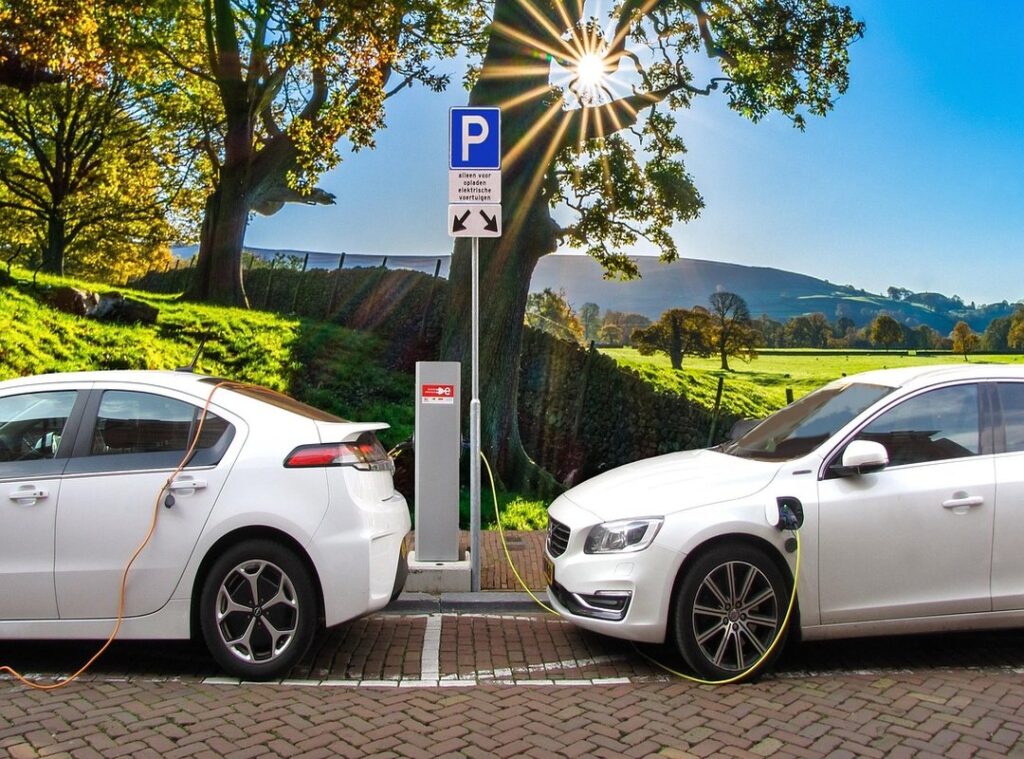
If you’re tired of high gas prices and want to make a smart choice for the environment, you’re not alone. Many people are considering hybrid cars analysis to understand the benefits and trade-offs. I get it.
It can be confusing to get through the jargon and marketing hype.
Why should you consider a hybrid? They often combine the best of both worlds: electric and gasoline. You’ll see better fuel efficiency and lower emissions.
But is it right for you?
This article breaks down the essentials of hybrid cars. I’ll cover what makes them tick, their pros and cons, and what to look for if you decide to go this route. I’ve researched and consulted experts to give you reliable takeaways.
By the end, you’ll have a clearer picture of whether a hybrid fits your needs. Let’s dive in and get straight to the facts. You deserve to make an informed decision about your next car.
Why Hybrid Evaluation Differs: Beyond the Basics
Let’s get straight to it. Hybrid cars aren’t your typical gasoline vehicles. They’re complex, and I mean really complex.
You’ve got mild, full, and plug-in hybrids, each with its quirks. So, what’s the big deal? Electric motors, battery packs, regenerative braking systems, and power control units.
These components redefine how we evaluate cars. You can’t just rely on the same old criteria.
Think about it. Fuel efficiency is king with hybrids. It’s not just about burning less gas; it’s about leveraging those electric motors to save fuel.
This dramatically lowers emissions. And let’s not ignore the quiet operation. Silence is golden, right?
Well, it’s key for the evaluation focus.
Traditional cars don’t have this. That’s why hybrid cars analysis needs a different approach. We can’t lump them together with regular cars.
Evaluating them requires understanding their unique components and benefits. It’s like comparing apples to oranges.
Anyway, if you’re intrigued by how vehicles evolve, you might find the Vintage Cars Comeback fascinating too. They remind us of where we’ve been while hybrids show us where we’re going. A specialized approach is important if you want a complete picture.
Understanding these differences ensures you’re making an informed decision.
Decode Hybrid Efficiency: Fuel Economy and Beyond
So, to fuel economy. You’ve got MPG for traditional hybrids and MPGe for plug-ins. Both matter because they tell different stories.
The MPG gives you a taste of what your hybrid can do using gasoline, while MPGe measures electric efficiency. Knowing both helps you understand overall efficiency. Curious about which models hit the magic 50: 5 cars and suvs?
It’s a game-changer.
Now, let’s talk electric-only range for PHEVs. Weather and driving habits affect it, so figure out if the range matches your daily routes. Is your commute a breeze or a power-sapping trek?
Get the numbers before you decide.
Then there’s power delivery. Ever notice how some cars switch from electric to gas without a hiccup? Test that smoothness yourself.
Acceleration should feel smooth, not like a clunky old movie reel.
Battery capacity is next. Ask about degradation, warranty, and lifespan. Knowing this can save you headaches later.
Finally, horsepower matters. Total system horsepower and torque define performance. How much does that electric motor really contribute? This hybrid cars analysis could shift your perspective on hybrids.
It’s not just about going green; it’s about understanding what you drive.
The Test Drive: Experiencing Hybrid Driving Dynamics
Taking a hybrid for a spin is not your everyday test drive. It’s a whole new experience. First, let’s talk about regenerative braking.
It can feel a bit grabby, right? That’s normal. Test it out by gently applying pressure to the brake.
Feel how it slows you down faster than a regular brake? That’s the regenerative system doing its thing, and it helps reduce brake wear over time.
Next, switch to electric-only mode. Notice the quiet? It’s eerie but in a good way.
This is where you can really gauge cabin noise and how smoothly the engine engages. Hybrids have this unique vibe (one) moment you’re riding on silence, the next, the engine hums to life.
Now, handling and ride comfort. Hybrids have extra weight from the battery pack. You might think it would make them sluggish, but you’d be wrong.
Take sharp turns, feel the grip. This weight distribution can actually improve stability.
Acceleration is another story. Punch it at different speeds. Feel that instant torque from the electric motor?
It’s exhilarating. Finally, mix up your routes. Try city streets, highways, and hills.
You’ll get a full hybrid cars analysis this way.
Hybrid Longevity: What to Know
When it comes to maintaining hybrids, there are a few things you need to know. Battery cooling system checks and specialized fluids are key components. They’re unique but not as daunting as they sound.

Have you ever wondered about the lifespan of hybrid components, especially that battery pack? Spoiler alert: they’re built tough. Sure, replacement costs can be steep, but many warranties cover them well beyond the initial period.
Want more good news? The regenerative braking system in hybrids can extend brake life. Conventional brake wear is drastically reduced.
It’s like getting a bonus you didn’t ask for. Of course, do your homework. Research the reliability of specific hybrid models and brands.
Trust me, all hybrids are not created equal.
And what about resale value? Hybrids often fare well, especially when battery health checks out. As for insurance, here’s a tip: it might differ from gas-powered cars.
Talk to your provider about any unique considerations. If you’re curious about future trends beyond hybrids, learn more about how electric motorcycles are shaping the future.
So, is a hybrid right for you? Dive into a hybrid cars analysis and weigh your options. Make the call based on real-world data.
Making Your Decision: What Really Matters
Choosing the right hybrid can feel like a maze. But it’s not as daunting as it seems. First, think about your driving habits.
Does a PHEV’s electric range fit your daily commute? Or do you think an HEV’s passive charging can cover your needs? It’s key to know these answers before diving into a purchase.
Charging infrastructure is another biggie. Can you charge at home, and how much will installation cost? Public charging availability might be a deciding factor.
Trust me, it’s frustrating to be caught without options when you’re out and about.
In-cabin tech isn’t just for show. Hybrid-specific displays (showing energy flow and battery status) are important. Some might say it’s just bells and whistles, but I disagree.
This tech can be a game changer for efficiency-minded drivers.
Don’t forget the environmental angle. Hybrids offer real environmental benefits. Consider how they align with your sustainability goals (if that’s your thing).
When you talk to dealers, ask the right questions. Battery health, vehicle history, warranty details (these) are non-negotiables. Finally, think about your budget from all angles.
Fuel savings, maintenance, and upfront costs all play a role in this hybrid cars analysis.
Your Next Steps in Hybrid Ownership
You now have a solid system to evaluate any hybrid vehicle. The complexity of hybrid cars can be overwhelming. But with the right tools, you can make informed decisions.
This structured approach empowers you to choose wisely and confidently.
So what’s next? Apply these evaluation techniques today. Dive into more articles and takeaways on hybrid cars analysis.
Have your own hybrid experiences? Share them with the community. Your journey doesn’t end here.
Take charge and explore your options. Start now and transform your hybrid ownership experience.
 Caroline C. contributes engaging content to FMB Moto Gear with a focus on motorcycle maintenance, vehicle lifestyle trends, and riding culture. Passionate about helping riders better understand their machines, she creates accessible content that simplifies technical topics and encourages smarter bike care.